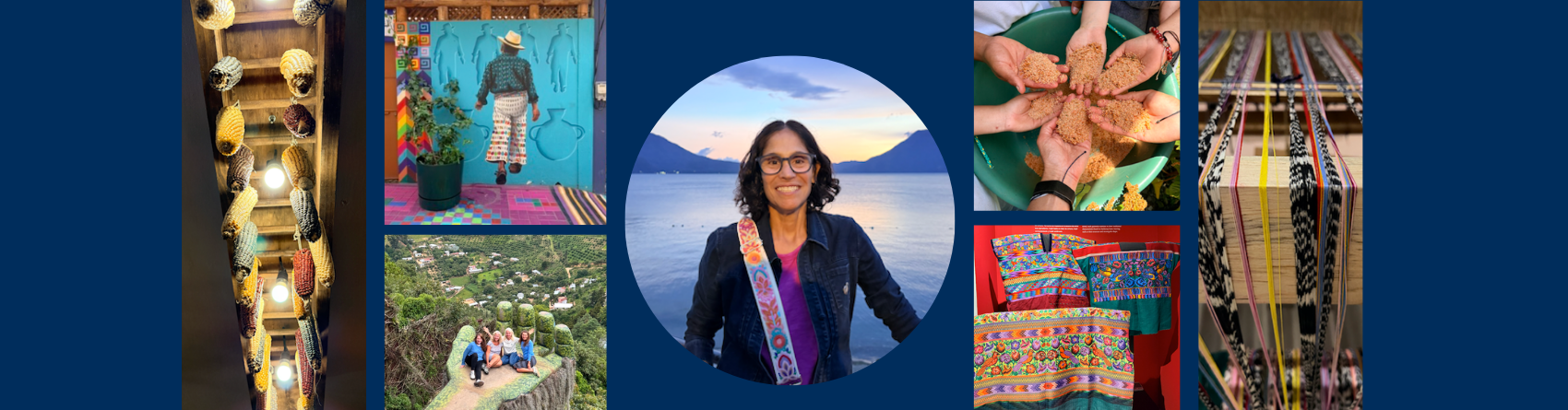
We are pleased to announce Elisa Waters as the recipient of the Pulsera Project Travel Abroad Scholarship. Through this unique opportunity, Elisa will travel to Guatemala to experience firsthand the people, communities, and cultural traditions that make the Pulsera Project possible. During the trip, she will visit communities and artisans, explore the rich cultural heritage of Guatemala, and gain valuable insights that she can share with her students and school community. Elisa’s commitment to global learning and cultural understanding makes her an outstanding ambassador for the spirit and mission of the Pulsera Project.
From Elisa…
I was deeply honored to be selected for the Pulsera Project teacher trip scholarship through the National Spanish Exam and the American Association of Teachers of Spanish and Portuguese (AATSP). As a lifelong traveler and a 30+ year educator, I was eager for a different kind of experience abroad—one that incorporated service-learning to strengthen the work I do with my middle school students.
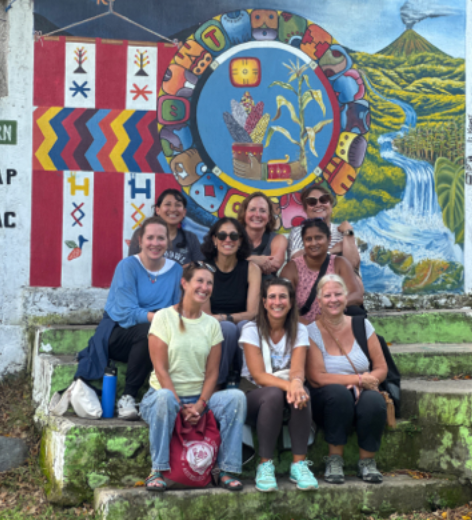
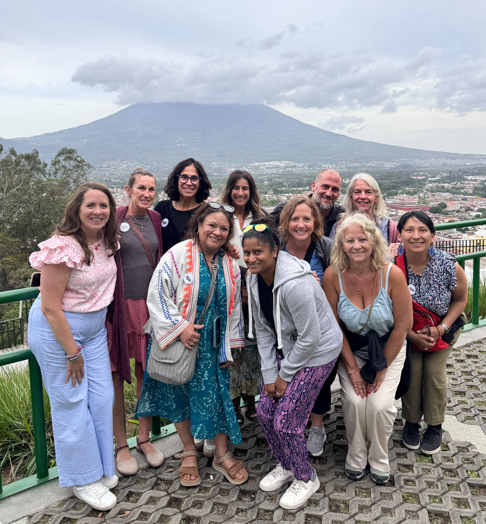
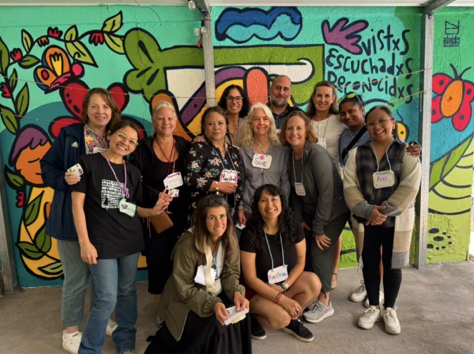
The Pulsera Project surpassed anything I could have imagined. From July 8–16, I spent one week immersed in Guatemala’s culture, art, history, food, politics, and breathtaking natural beauty alongside eight extraordinary Spanish teachers: Becca, Carol, Colleen, Darci, Karina, Kimberly, Maribel, and Michelle. We shared a common mission—introducing students to Spanish language, culture, travel experiences, and meaningful service-learning opportunities—through the support of Regional Director Evan Durand and Co-Founders Colin Crane and Sue Patterson.
Each day brought new ways to learn. We visited schools, met artisans at cooperatives, connected with community organizations, and toured historical sites. The trip offered a deeper understanding of Guatemalan culture, education, traditional arts, and the work communities are doing to build sustainable economic and educational opportunities for their families. The bond our group formed was unlike anything I’ve experienced in group travel— it was truly magical.
Día Uno
Upon arriving at La Aurora International Airport in Guatemala City, Evan and Colin welcomed me warmly. We quickly connected over our shared love of travel while waiting for the rest of the group to arrive and then we headed to the Hotel Biltmore.
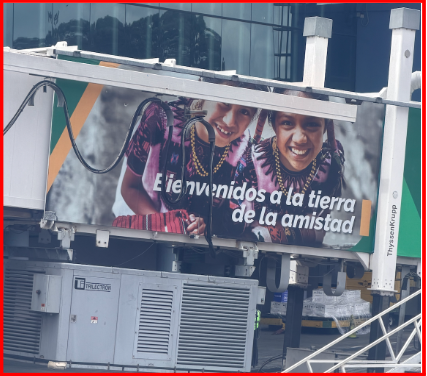
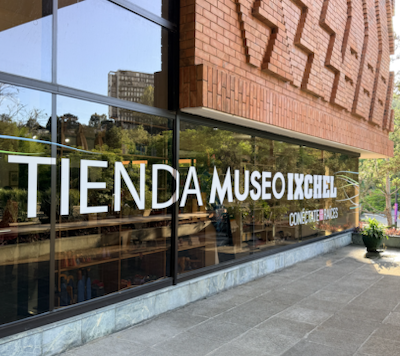
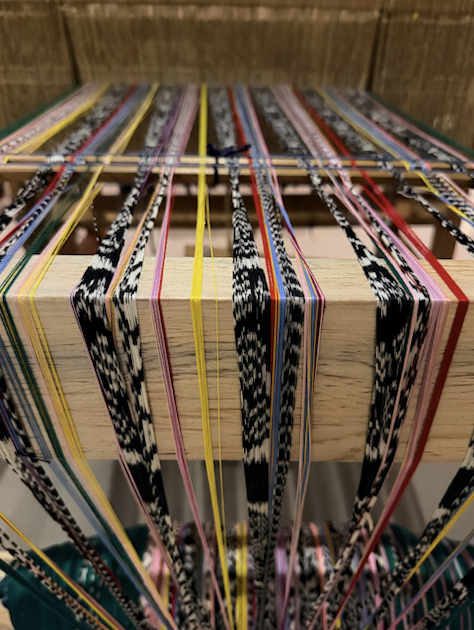
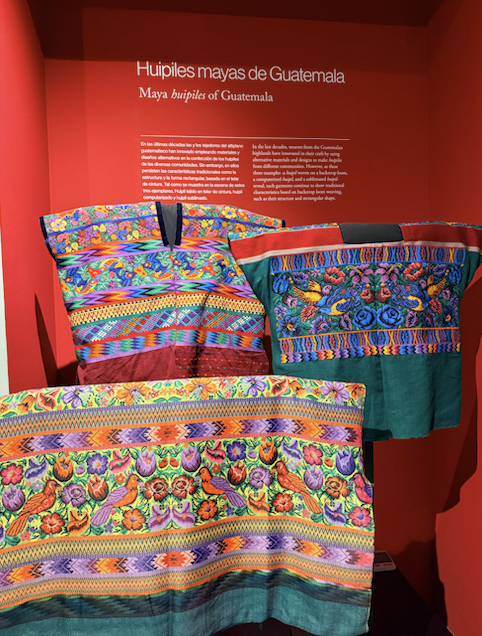
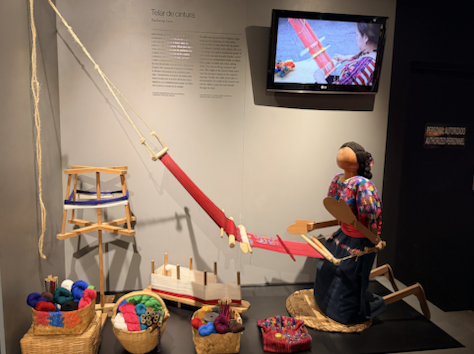
After lunch at the hotel, we visited Museo Ixchel del Traje Indígena, dedicated to Guatemala’s Indigenous textile traditions. The museum preserves and showcases traditional clothing and textiles from communities across Guatemala, highlighting the history, artistry, symbolism, and cultural significance of Indigenous dress. This visit gave us a powerful starting point for understanding the rich history and diversity of huipiles, weaving methods, and the deep, ongoing Maya influence in textile traditions. Even more meaningful was recognizing that these traditions are not “in the past”—many Guatemalans still wear huipiles and traditional clothing today.
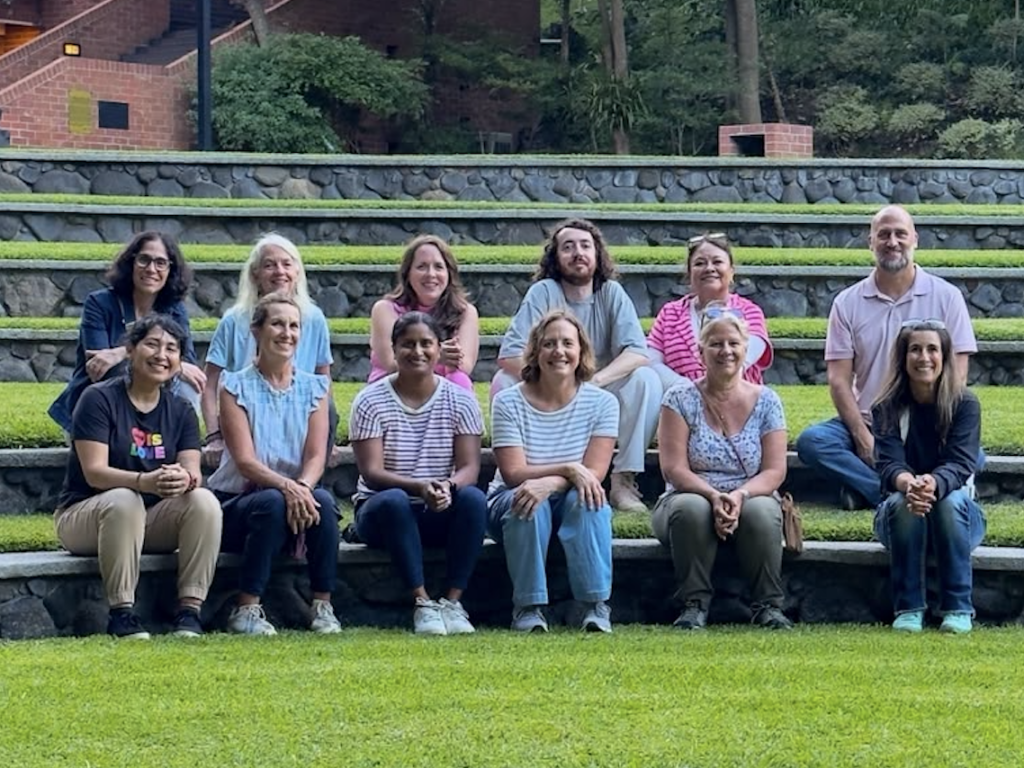
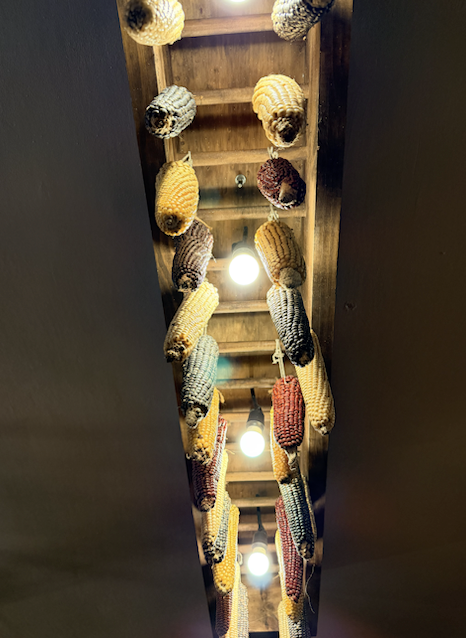
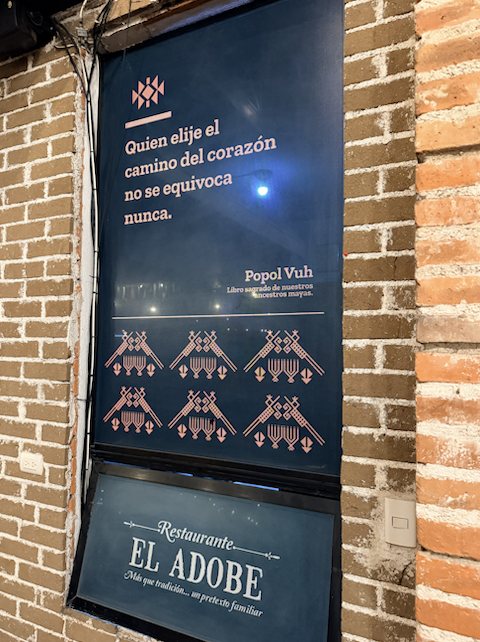
After exploring the museum grounds, we enjoyed a delicious welcome dinner at El Adobe Zona 10, featuring authentic Guatemalan cuisine, including Maya-influenced dishes such as Pepián and Ojer K’Utun, plus blue corn tortillas— a staple at every meal. After a long day of travel and learning, we went to bed early, filled with excitement for what was ahead.
Día Dos
We began our first full day in Guatemala traveling to Zona Tres to visit Creamos, an organization located next door to El Basurero, the largest garbage dump in Central America.
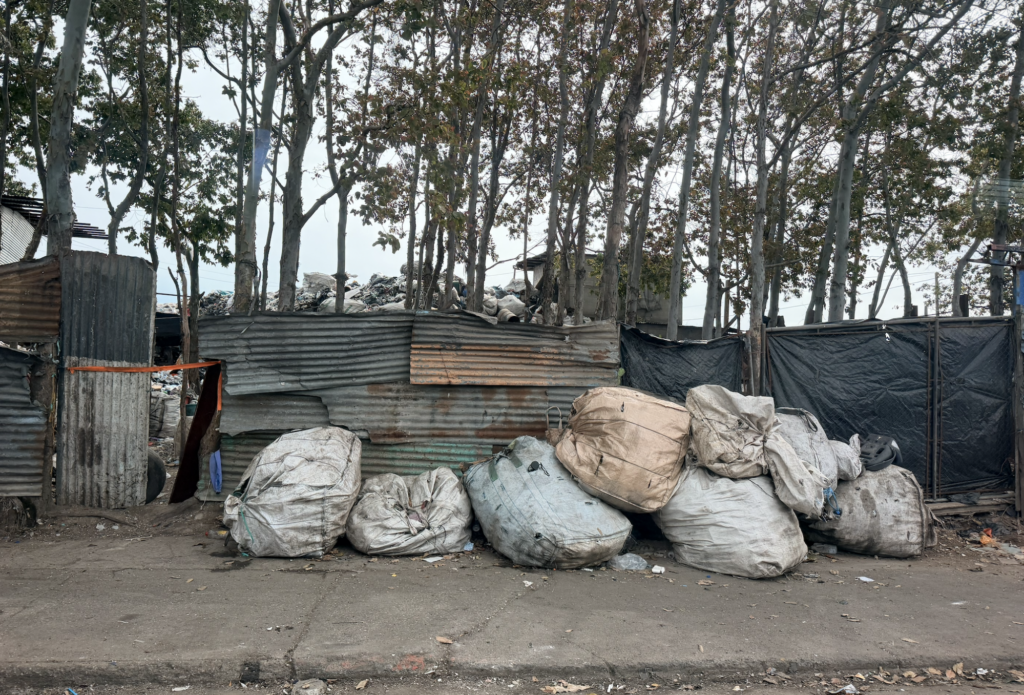
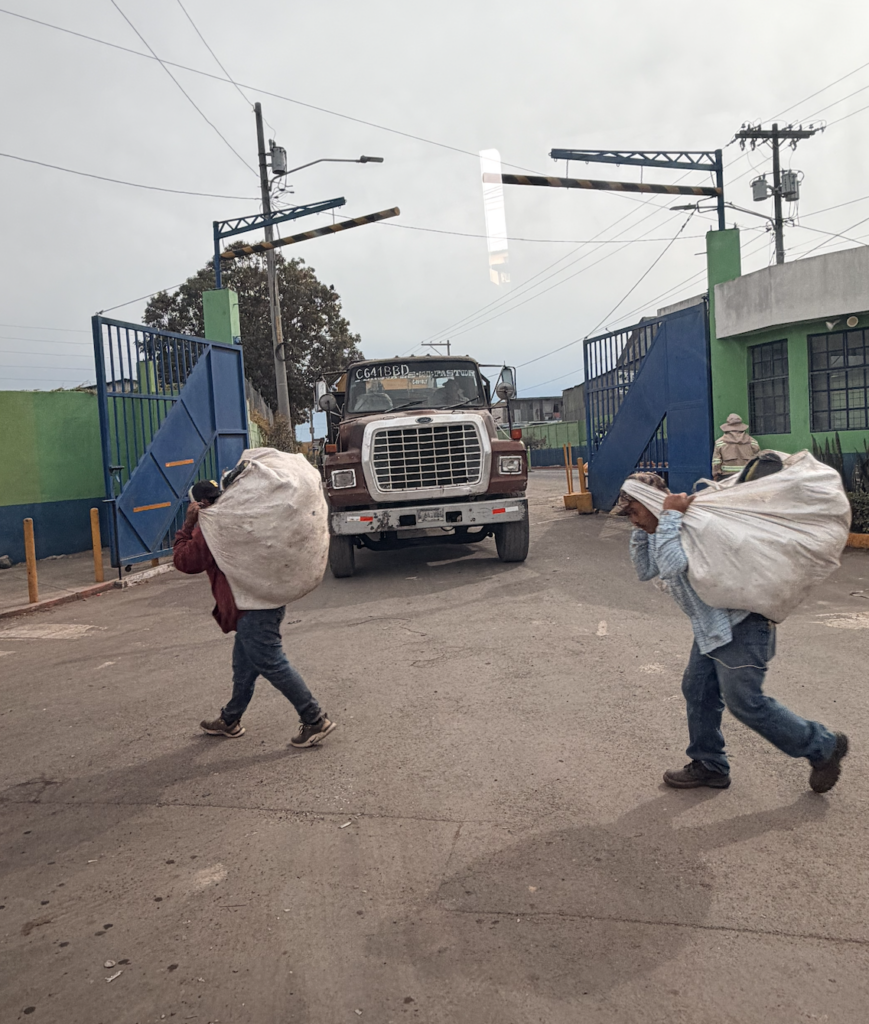
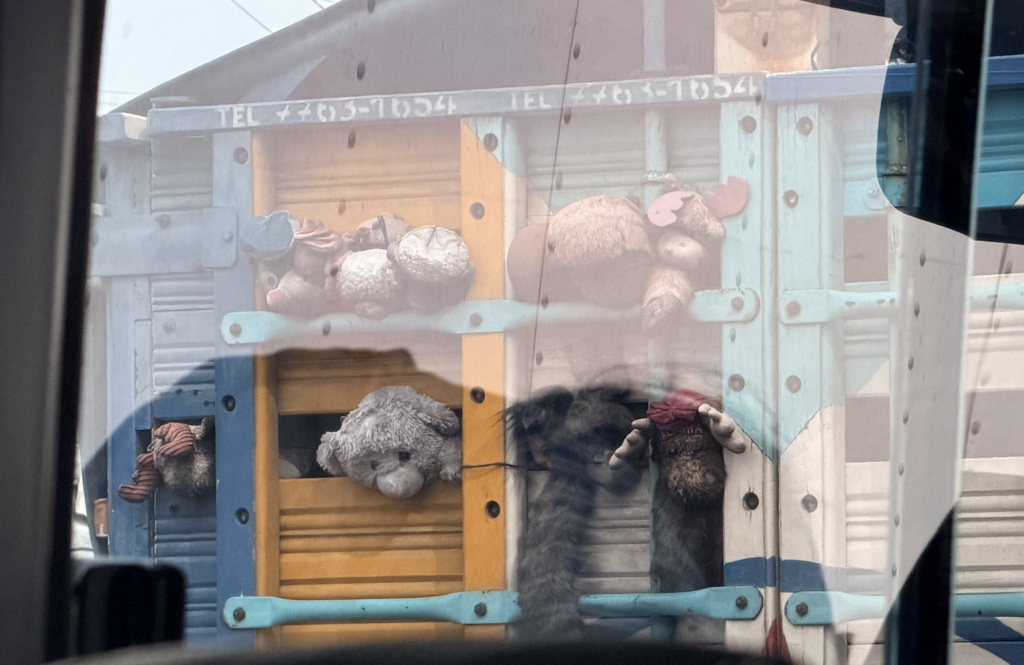
We learned about how Guatemala City is organized into zonas, and how—while Zona Tres is vibrant—it is also marked by gang violence and extreme poverty. In the middle of it all, Creamos feels like an oasis of hope.
Creamos supports women and girls through education, skills development, and opportunities for personal and economic empowerment. The center opens on Sundays for men to receive similar training. During our visit, we learned about the challenges women face in Guatemala and the ways education and community support can create broader opportunities. Creamos also provides childcare and mental health services for people involved in their programs.
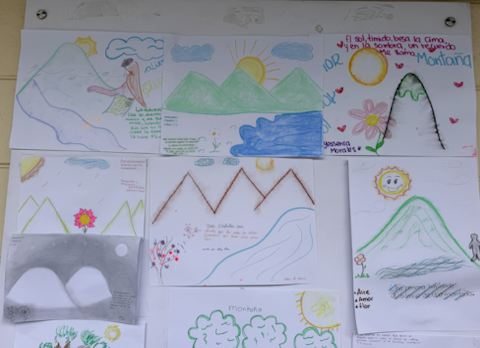
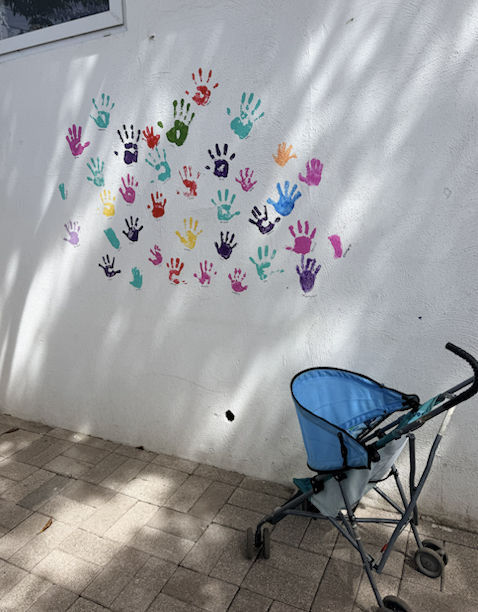
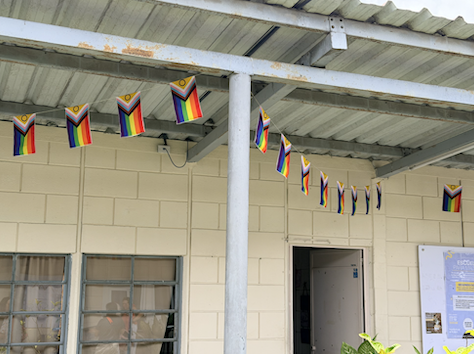
One of the most impactful messages we heard was this: Creamos helps people build real skills and tools to use both on and off site—so they can better care for themselves and their families.
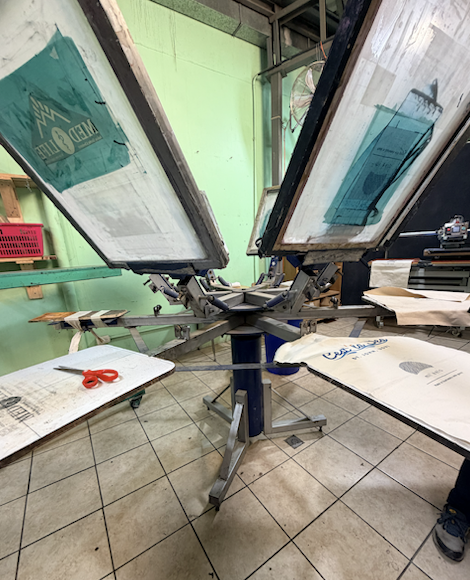
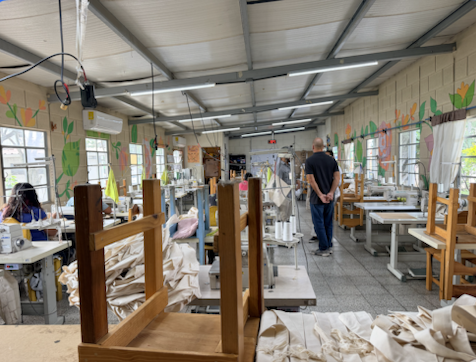
We were welcomed by Majo, who shared the history of the organization and guided us through the center. We toured the print shop, where some of us tried silk screening, visited classrooms and therapy spaces, and ended with a hands-on lesson on making paper beads.
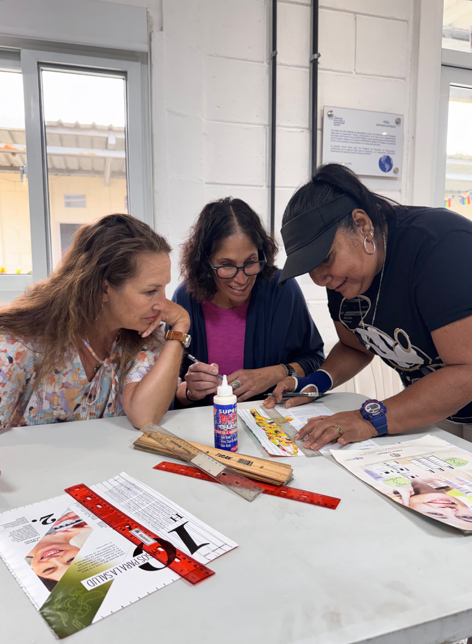
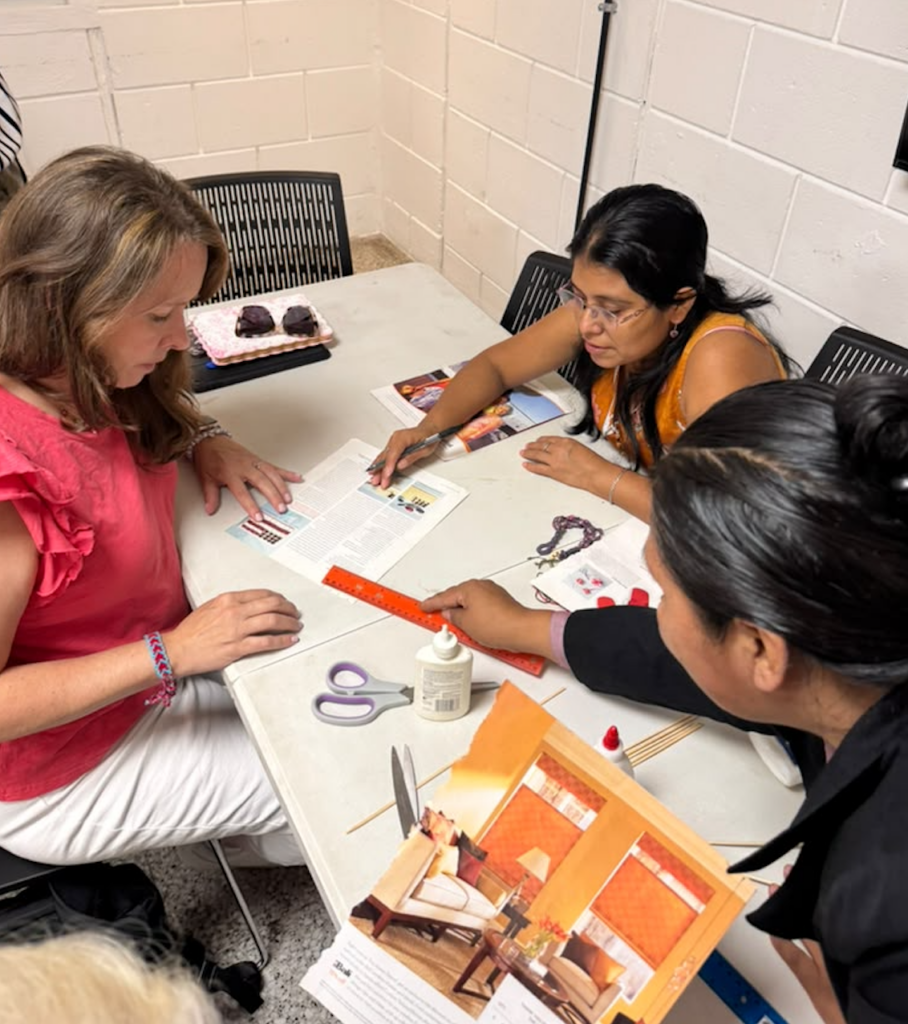
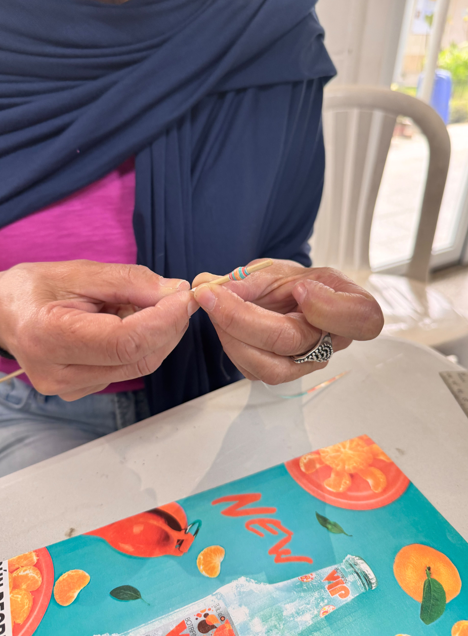
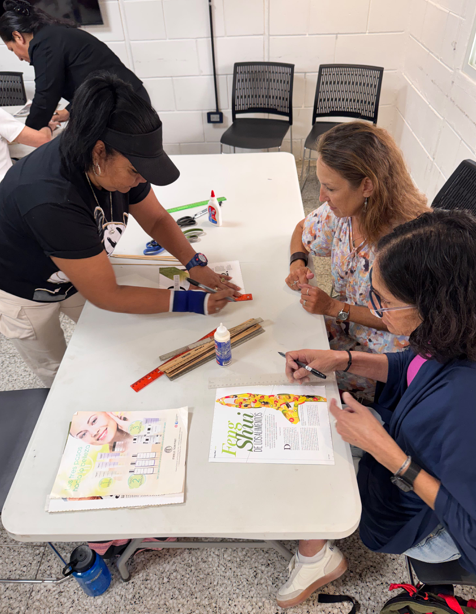
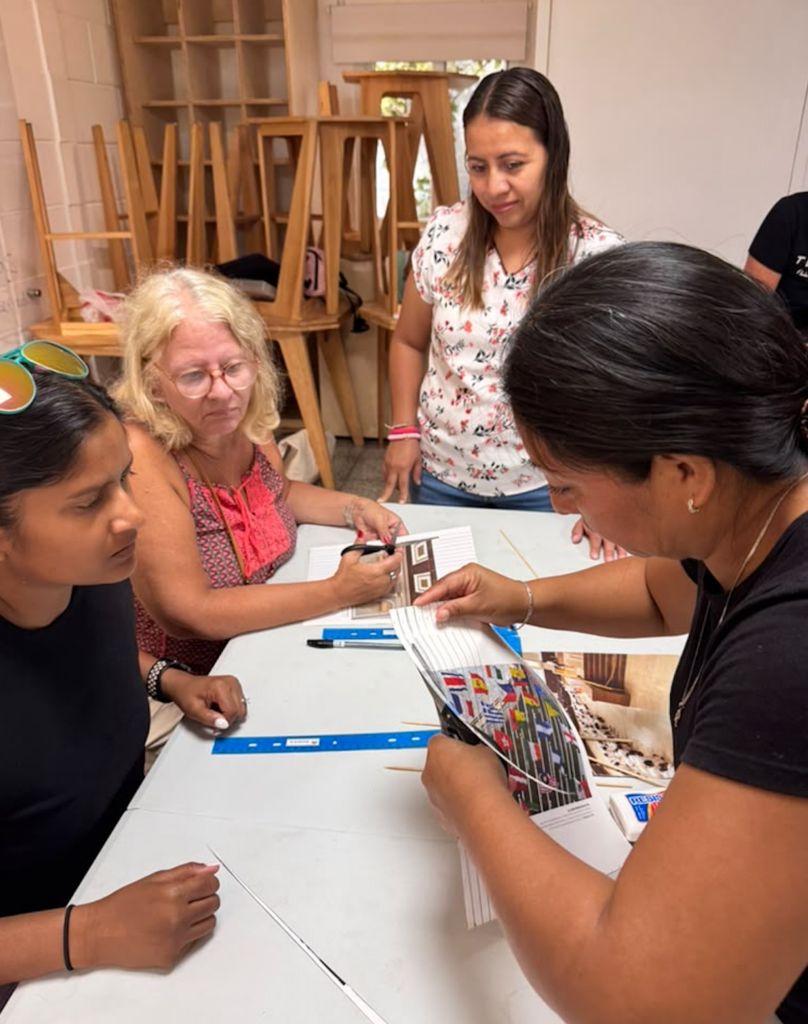
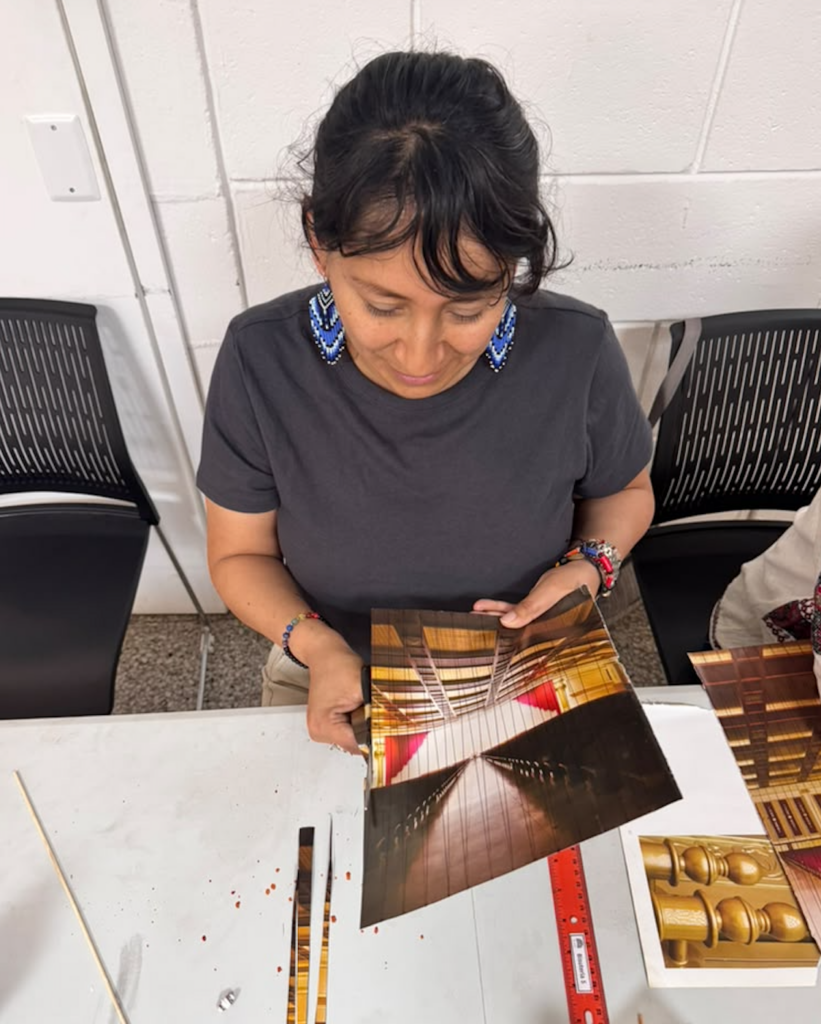
I loved the paper bead activity so much that I’ve already started making them at home. This fall, I plan to teach my students how to make them for a supplemental bracelet sale for local organizations after our official Pulsera Project sale.
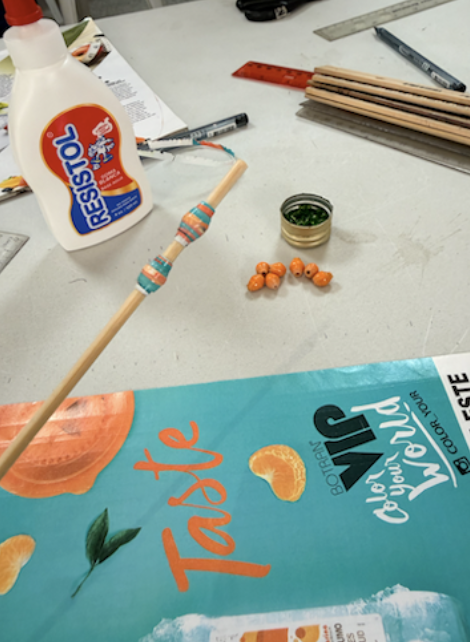
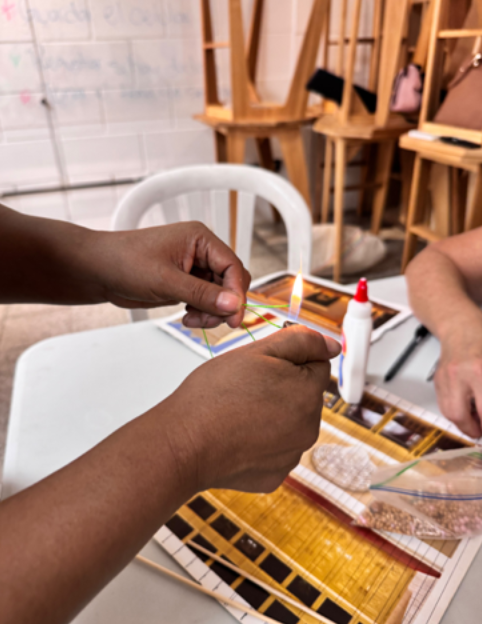
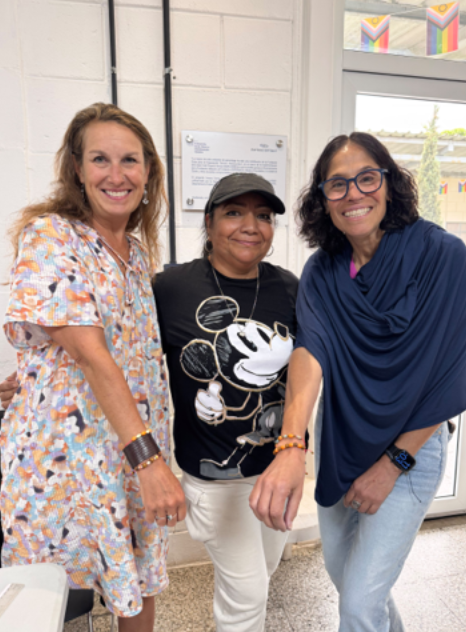
Creamos was bright and colorful, decorated with murals and Pride Month progress flags—mirroring the energy and enthusiasm of the artisans working there. We spent time hearing artisans’ stories as they taught us how to make paper beads from recycled magazines. Each story carried both joy and pain, and together they reflected the resilience of a community that has faced long-term disenfranchisement.
Walking back to the bus, I told Evan and Colin that if I had to leave Guatemala that day, I would still feel like I had a life-changing experience. I didn’t yet realize how every organization we visited would leave a similar mark on my heart—and how these conversations would shape how I bring Pulsera Project themes into my curriculum.
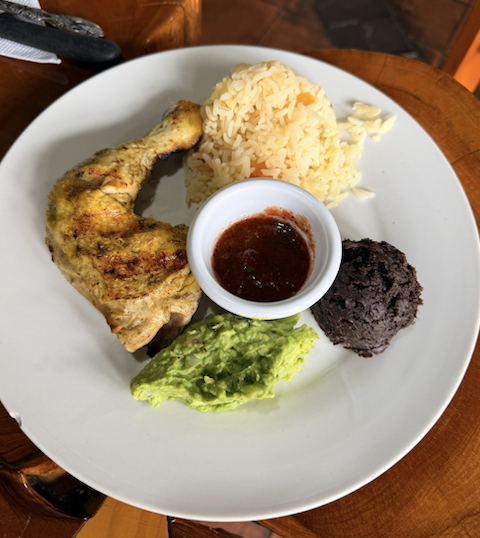
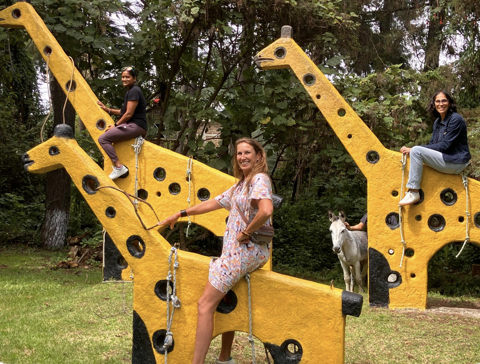
After Creamos, we traveled to Albergues de Tecpan, a roadside restaurant with music-themed decor, delicious food, and beautiful grounds with quirky sculptures. It was a welcome moment of levity after a heavy and powerful morning.
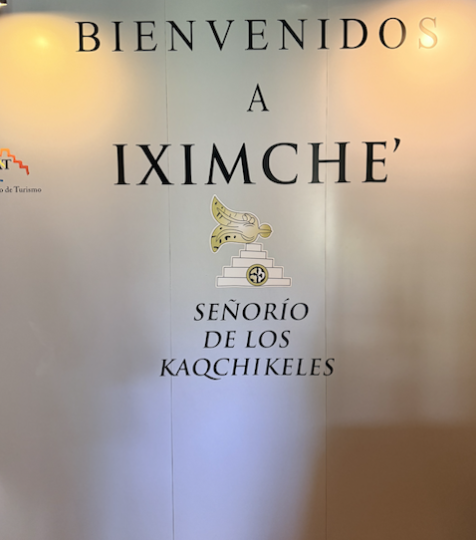
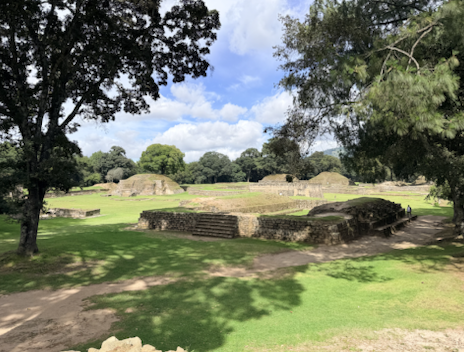
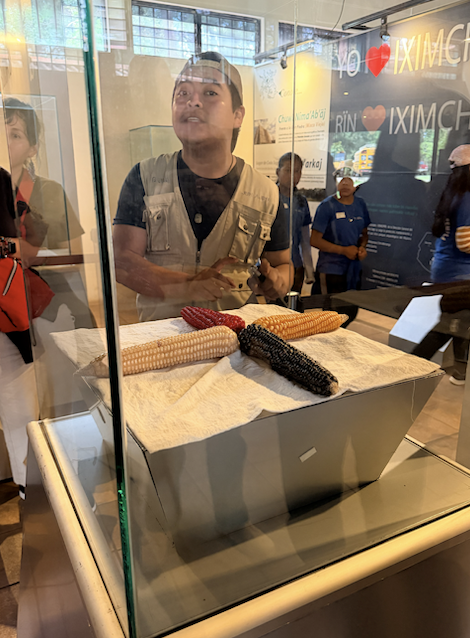
After lunch, we visited Iximché, the former capital of the Kaqchikel Maya kingdom. The site includes ceremonial plazas, temples, palaces, and other structures that offer insight into Maya history and civilization. I’ve visited ruins in other countries, but Iximché felt uniquely alive. Our incredible tour guide, Jun, repeatedly reminded us that Maya people are still here—not just part of history.
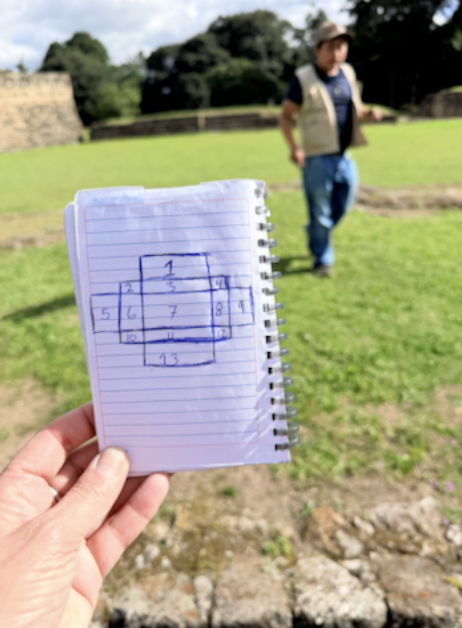
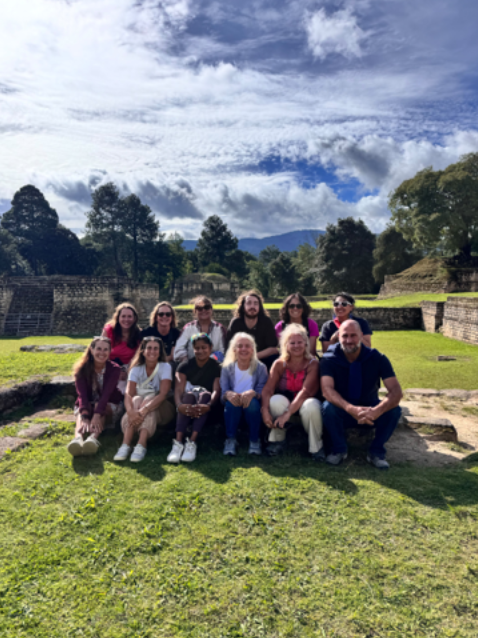
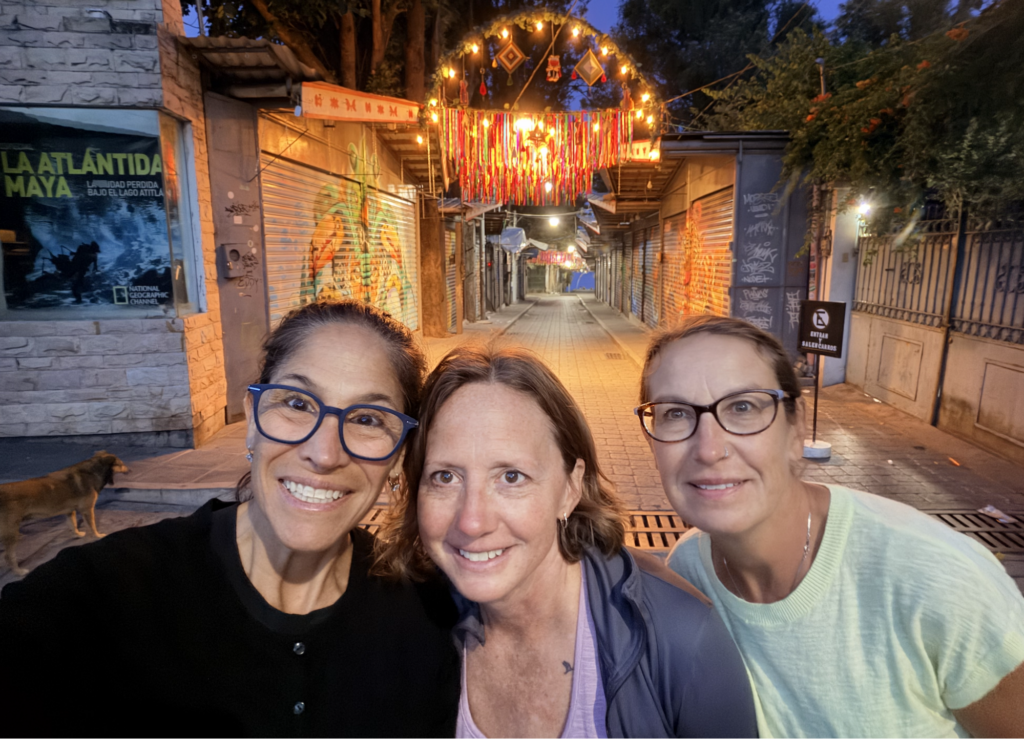
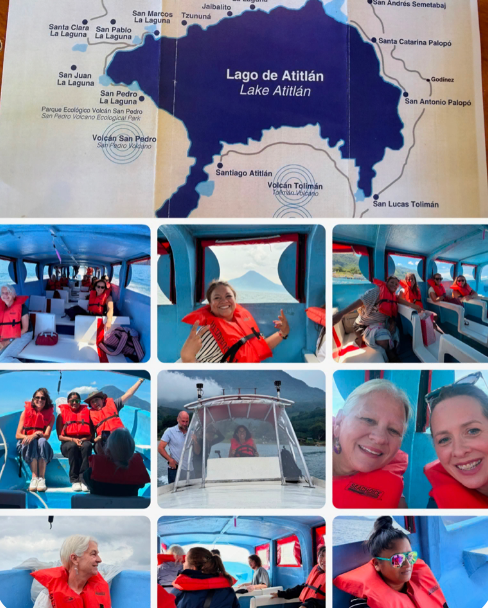
From there, we headed to our home for the next four days: Panajachel on Lago Atitlán. The lake served as our base as we traveled by boat to nearby communities. After dropping off our bags at Hotel Regis, we walked down to the lake to watch the sunset. That first night in Panajachel mirrored the spirit of our group. The streets of Panajachal are full of beautiful murals which add color to this already lively town.
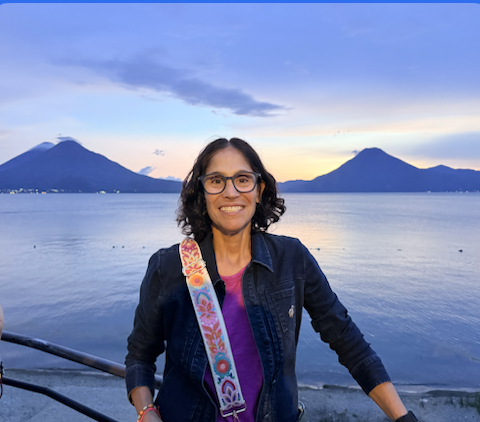
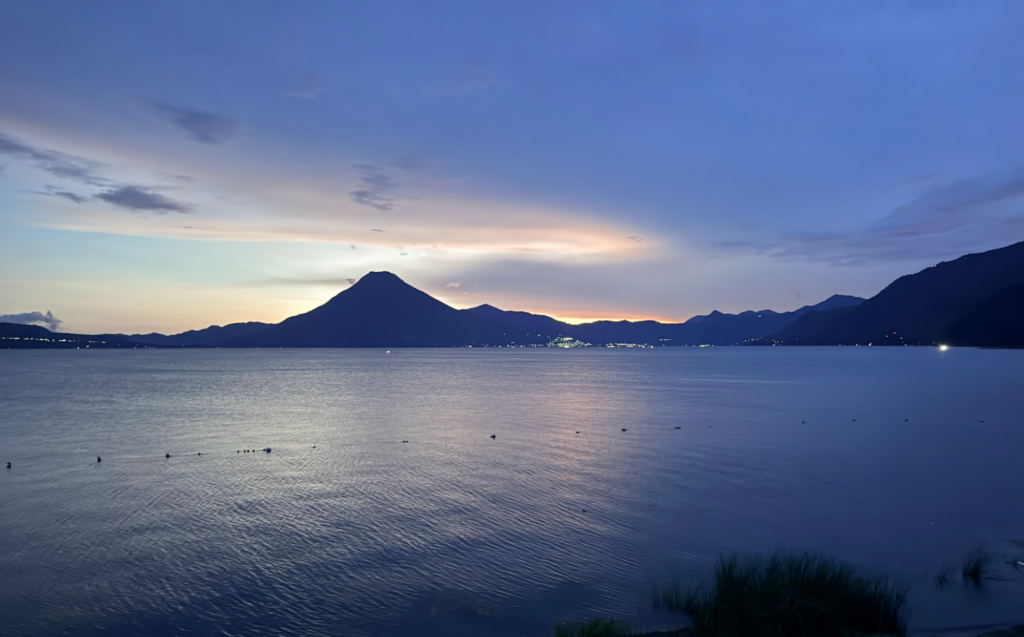
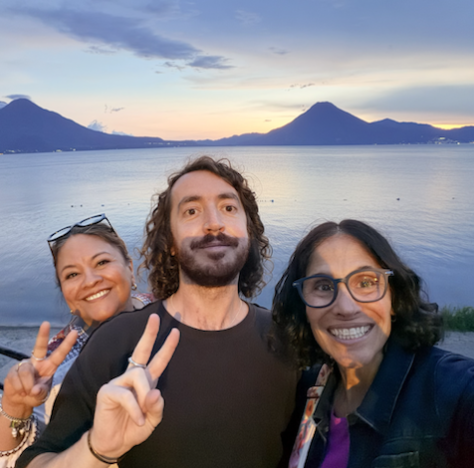
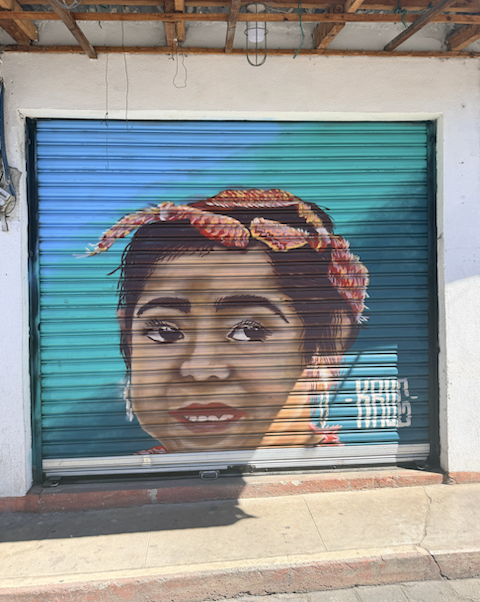
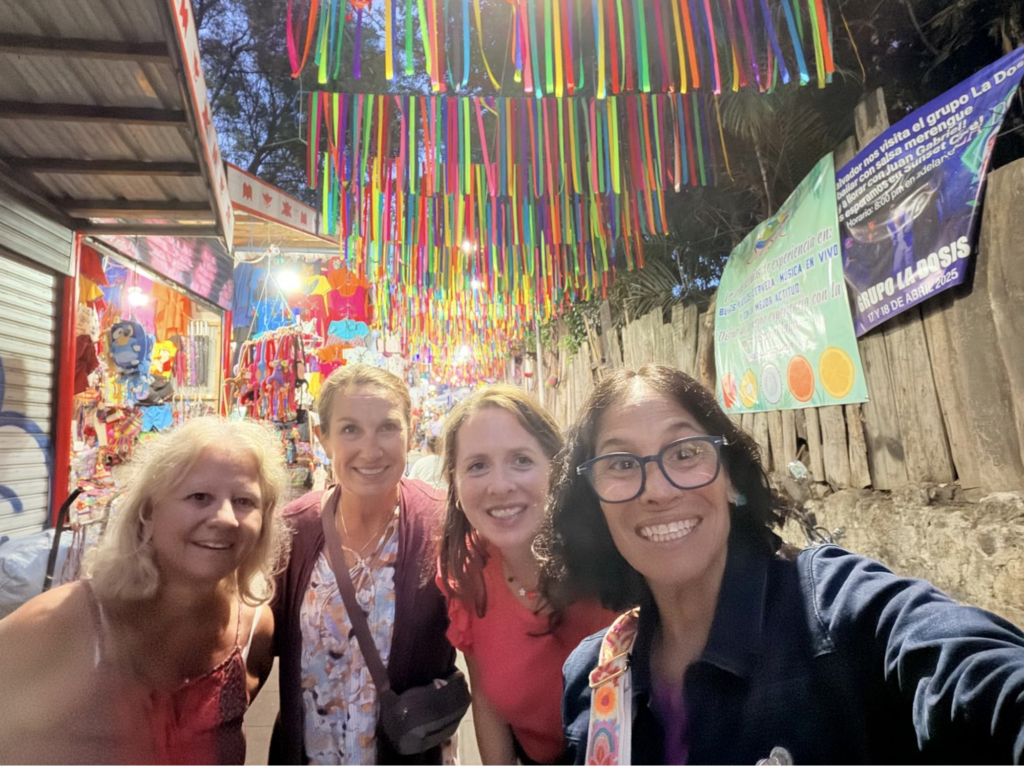
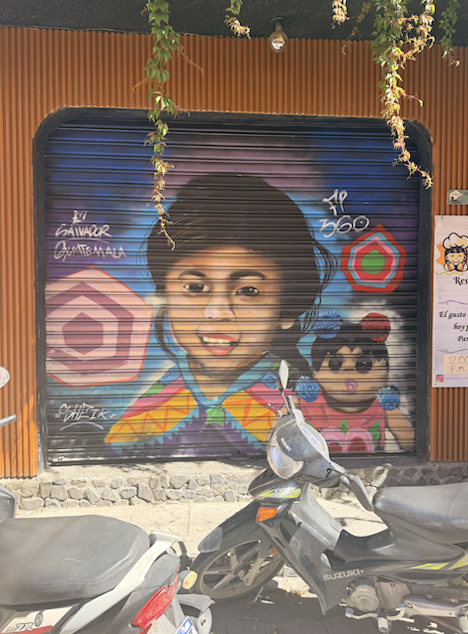
We enjoyed a delicious dinner of pupusas at a local café and turned in early.
Día Tres
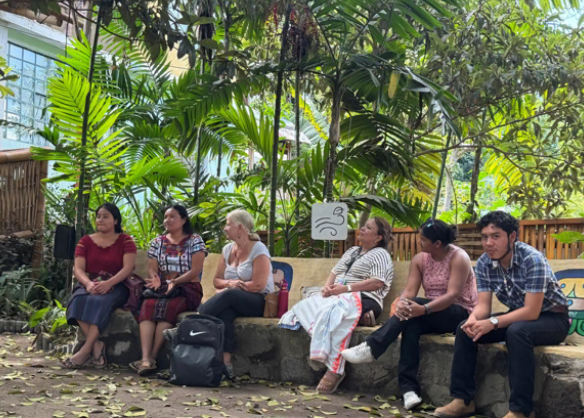
On this day, we traveled by launcha to San Lucas Tolimán, where we spent the morning at Centro Educativo Comunal Mixto Santa Cruz. The school partners with IMAP, and together they developed huertos (community gardens). Students taught us how to harvest amaranth, and I had so much fun talking with teenagers about everything from basketball and TikTok to daily life on the lake.
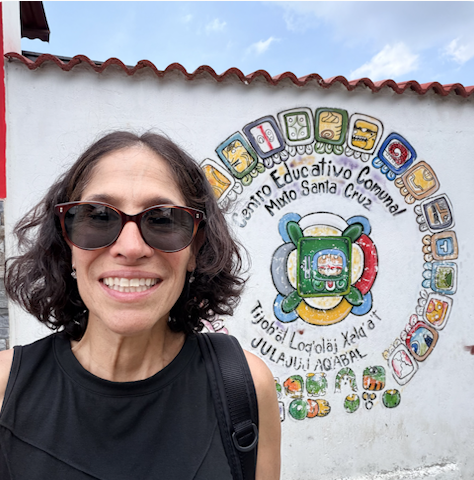
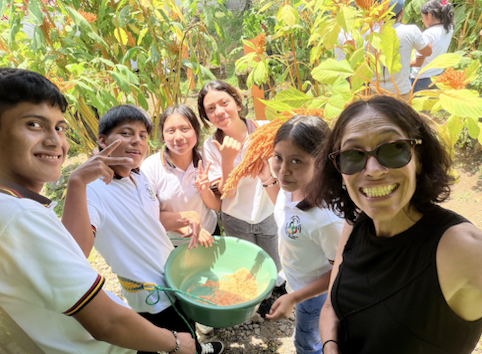
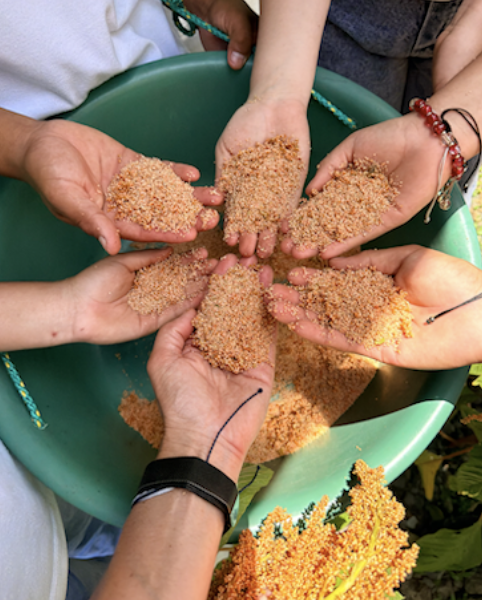
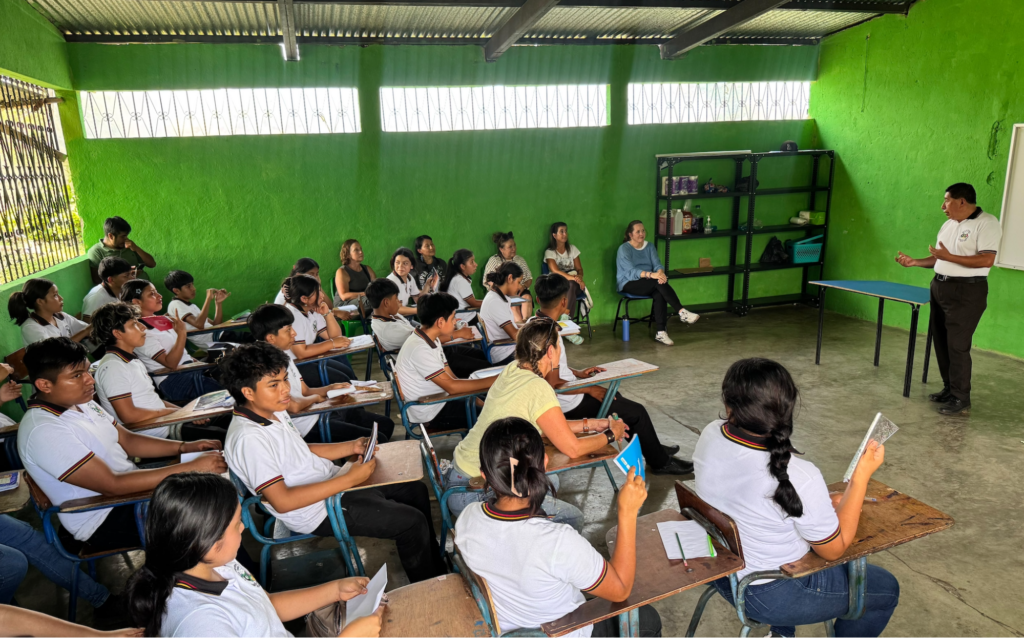
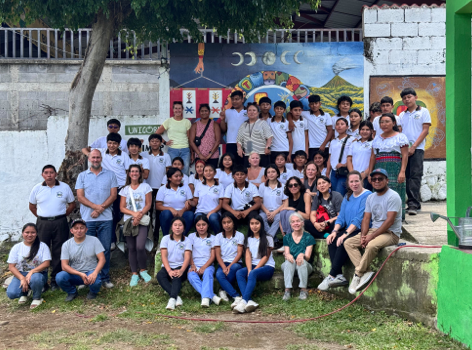
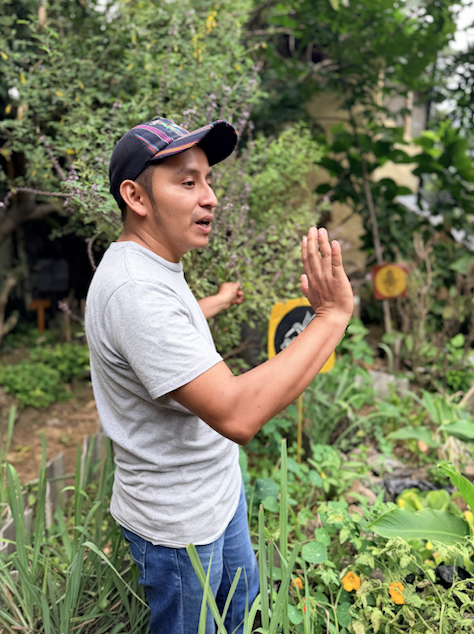
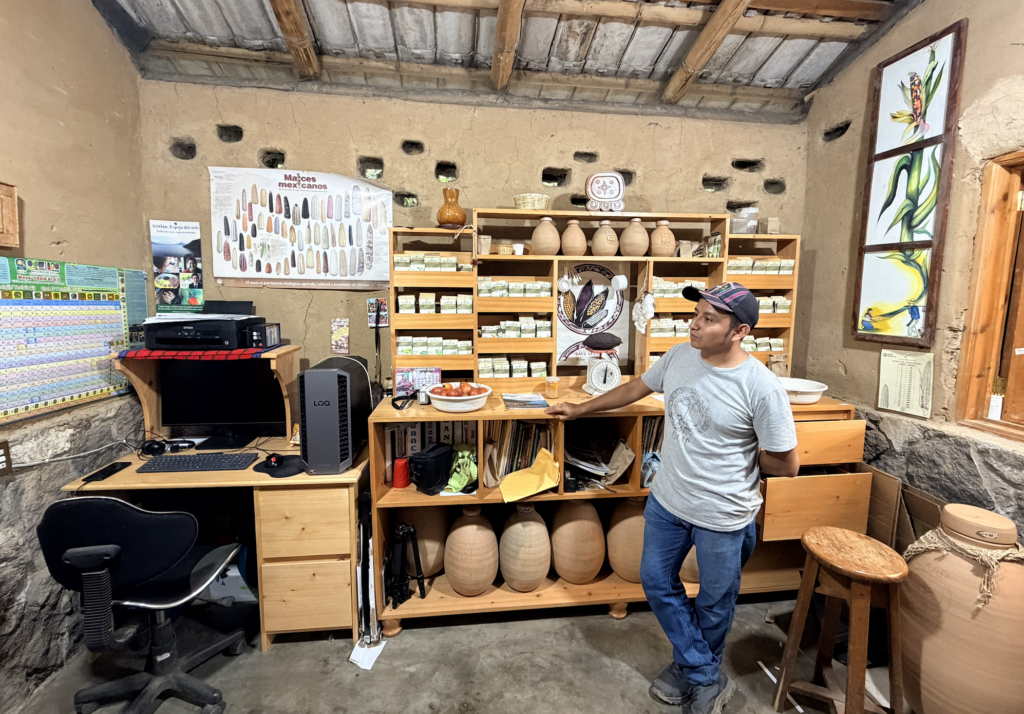
From there, we visited IMAP (Instituto Mesoamericano de Permacultura)—an organization working with local communities on sustainable agriculture, education, environmental stewardship, and community development. During our visit, we learned about local education initiatives and met artisans while hearing how traditional crafts connect to community identity and economic opportunity.
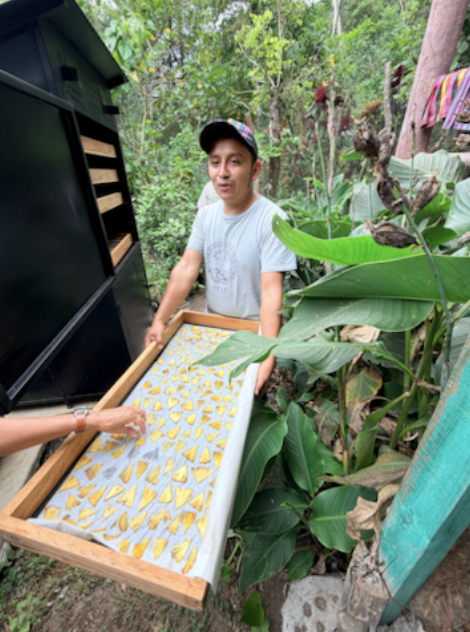
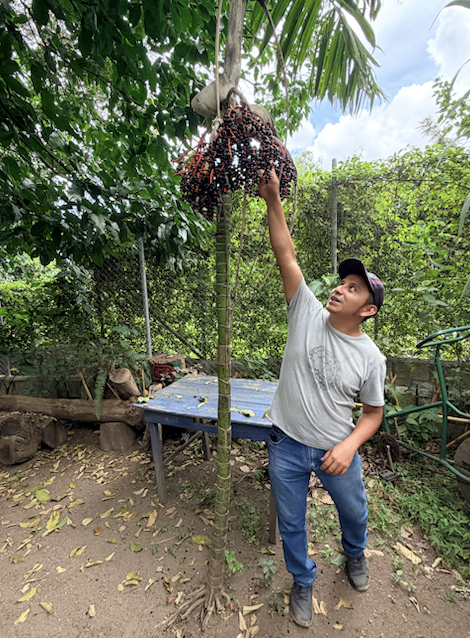
The experience beautifully demonstrated the connection between environmental sustainability, education, culture, and economic opportunity in rural Guatemalan communities.
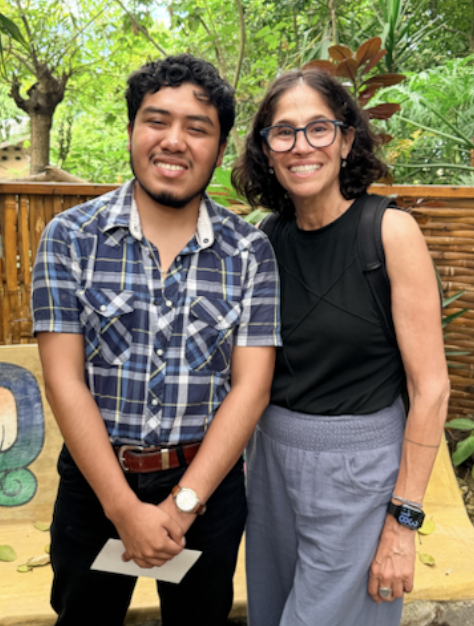
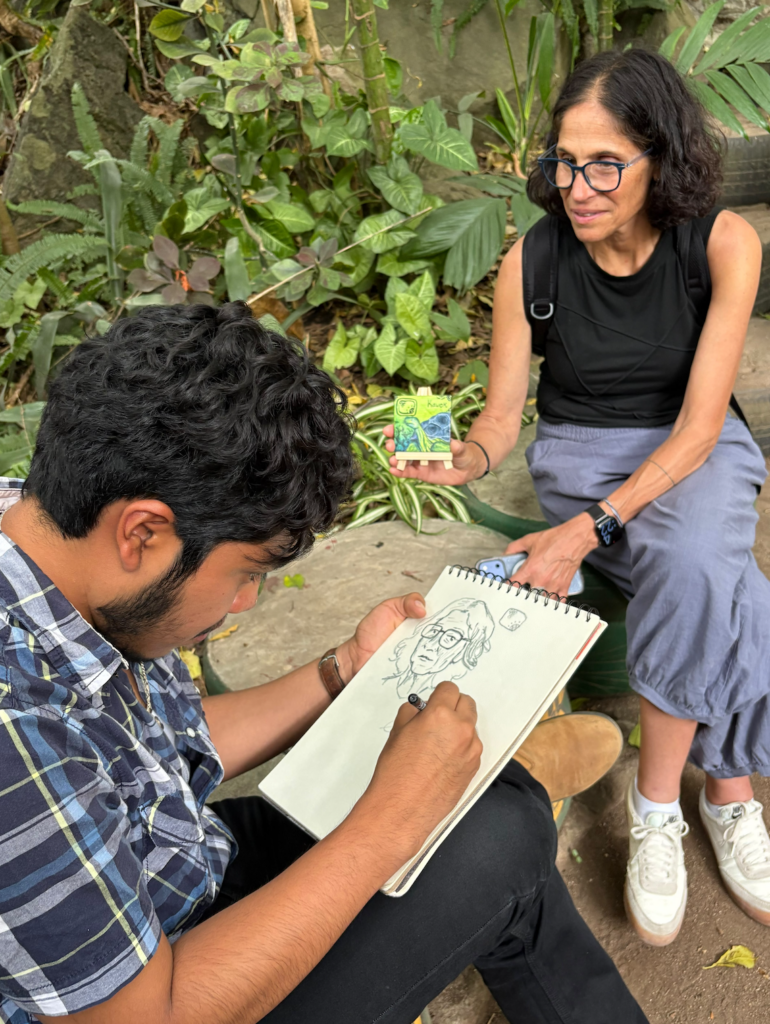
I was especially touched by Héctor, a young art and music teacher, who spoke passionately about his “why” for teaching, his philosophy for working with students, and his belief that everyone should feel included. We learned about nahuales, and I purchased one of his paintings of a turtle (my nahual, the KAWOK). The calm, creativity, and intentionality at IMAP made it another unforgettable stop. Even with only a few hours at each organization, each departure felt as if we were saying adiós to old friends.
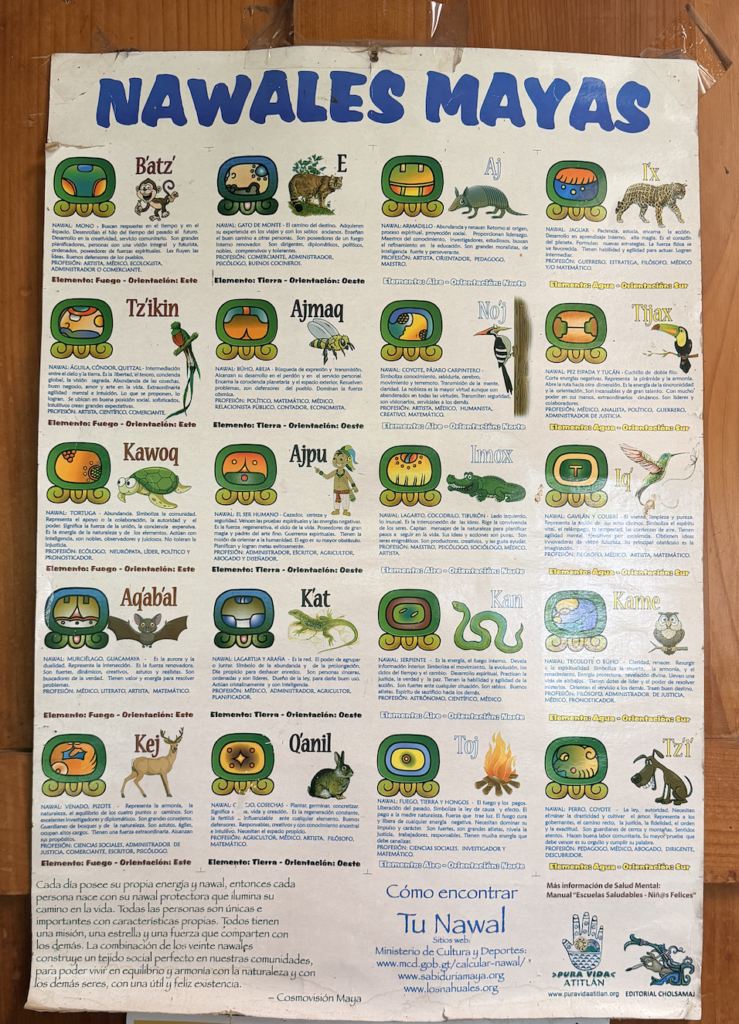
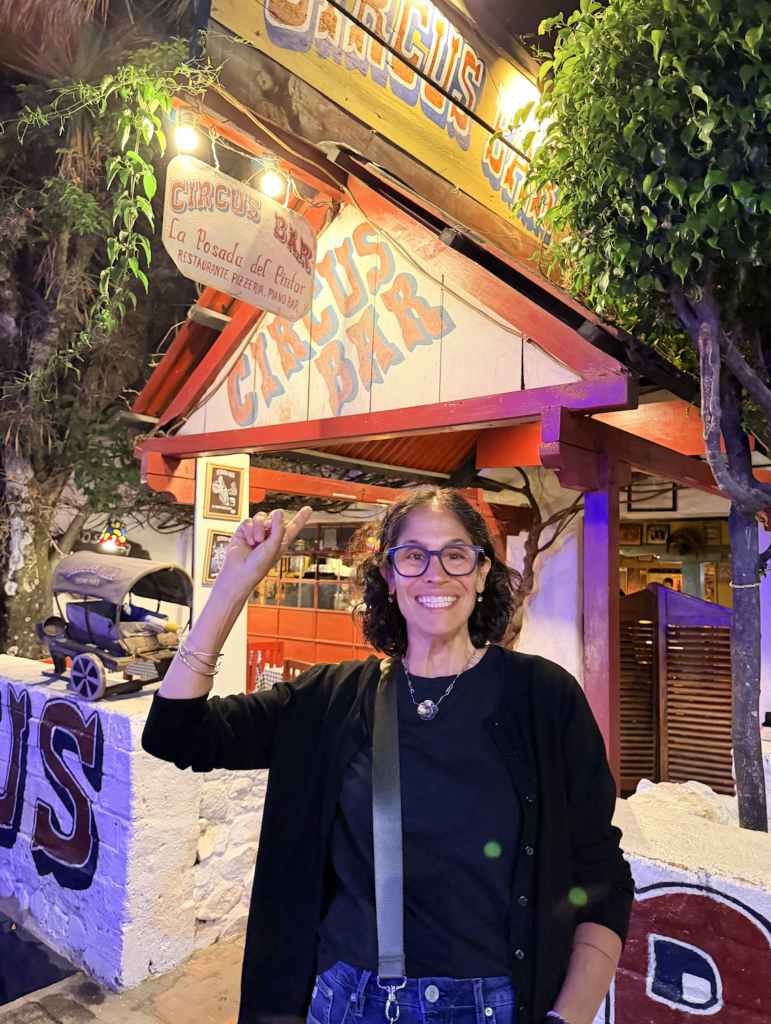
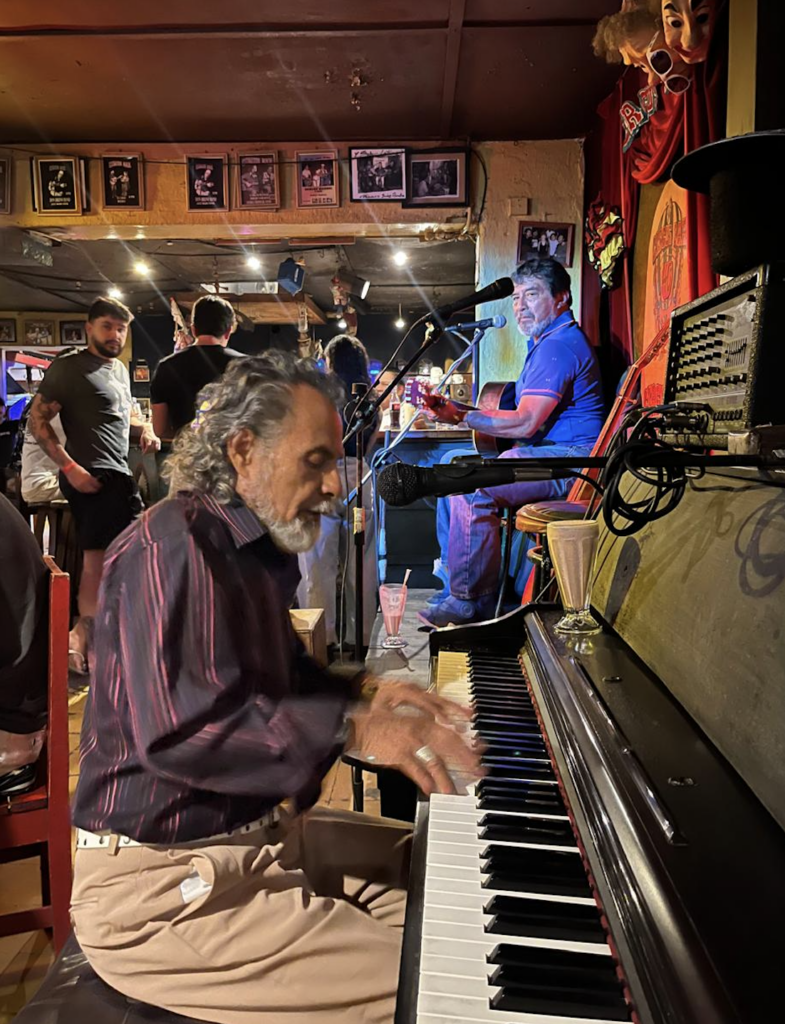
Back in Panajachel, some explored town while others enjoyed time in a temazcal, a traditional sweat lodge used by Indigenous peoples of Mesoamerica (temazcal comes from the Nahuatl word temāzcalli, meaning “house of heat”). That evening, we visited Circus Bar, a popular spot in Panajchal.
Día Cuatro
This teacher trip is not for the weary. Each morning began with breakfast at 7:00 a.m., followed by a one-hour reflective meeting where we processed the previous day and prepared for what was next.
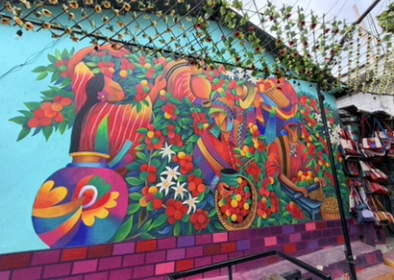
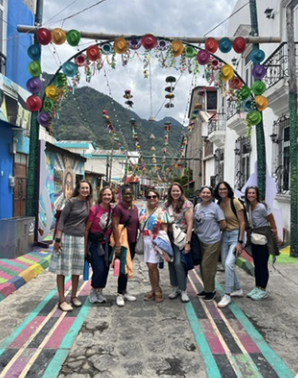
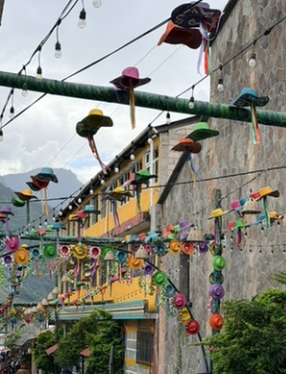
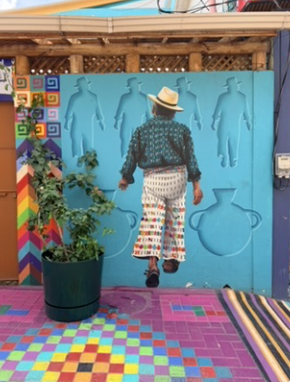
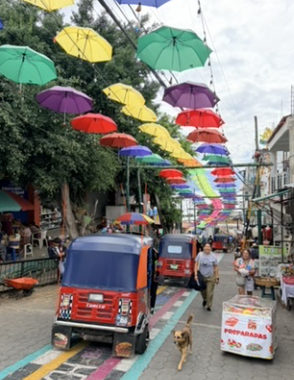
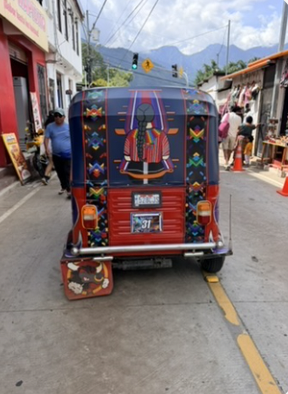
On the fourth day, we took another launcha to San Juan la Laguna, a vibrant town on the southwestern shore of Lago Atitlán. This town is known for its beautiful murals, decorated streets, and its rich Tz’utujil Maya culture, local art galleries, and textile cooperatives.
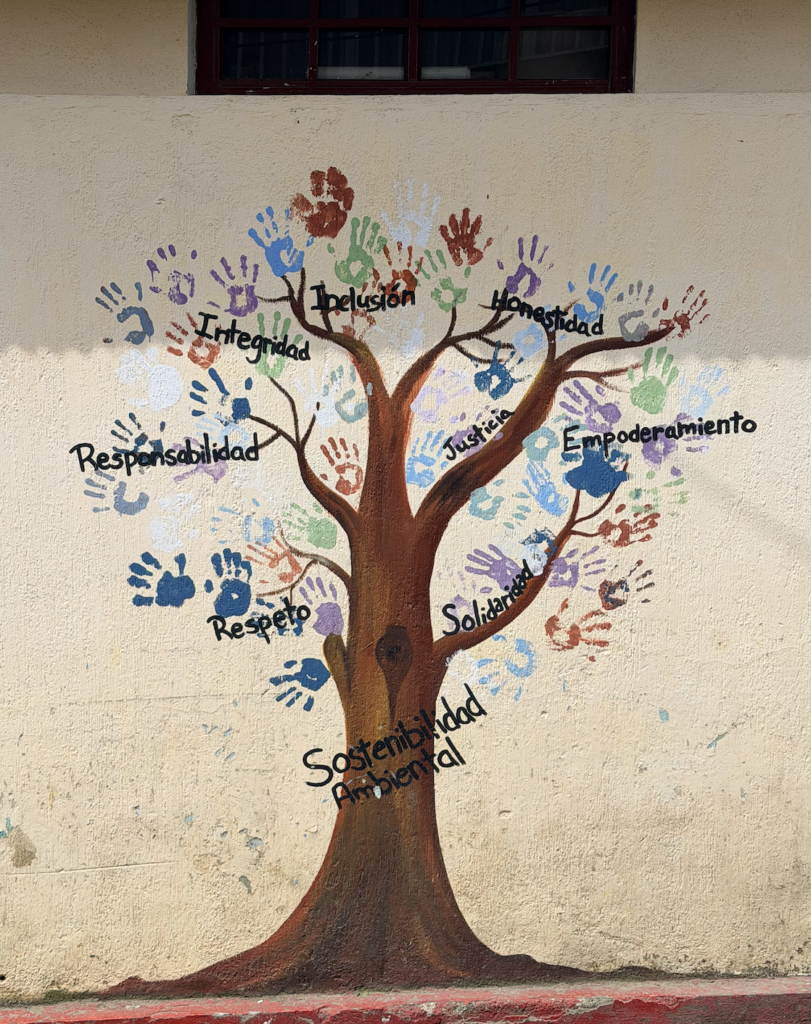
We spent the day with artisans at Alma de Colores, a community-based organization that provides opportunities for people with disabilities and their families through employment, education, and inclusion. We met in their restaurant and enjoyed a wonderful lunch.
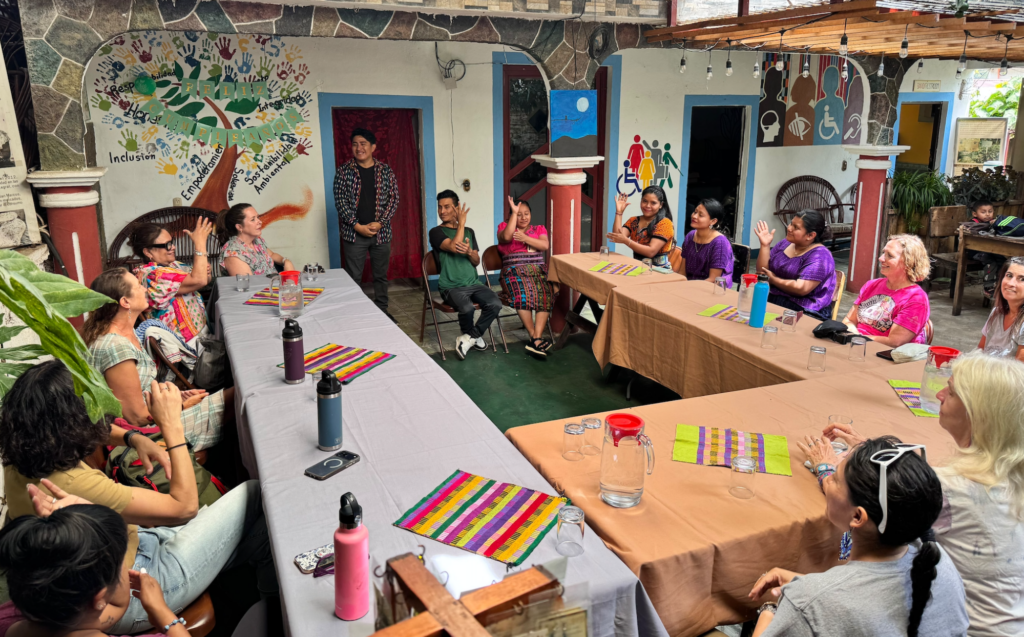
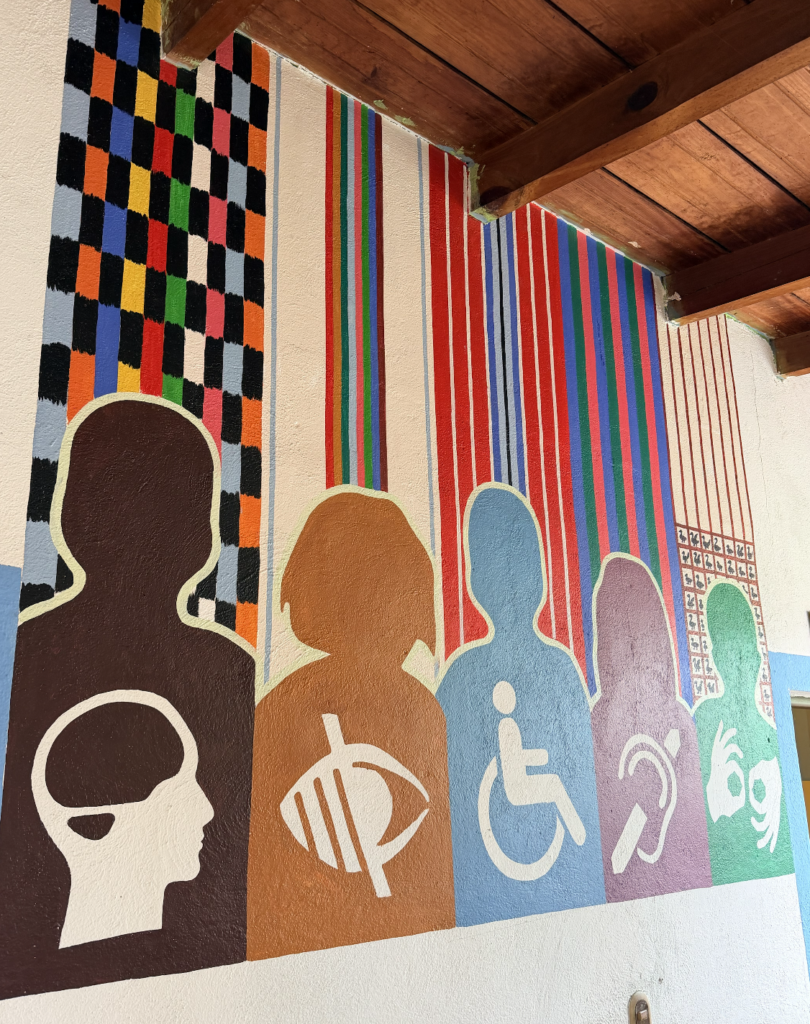
Most of the artisans that we met were deaf and mute. Our introductions began with learning the alphabet in Guatemalan Lengua de Señas so we could spell words to communicate more effectively. In Deaf culture, a name sign cannot be self-assigned—it is traditionally given by someone fluent in the Deaf community. Each of us received a name sign based on an attribute they noticed about us.
I was the only teacher on the trip who hadn’t yet participated in a Pulsera Project bracelet sale, but the others had already hosted numerous sales. The artisans loved seeing photos of their students selling bracelets and bags, and they had questions about how the sales were organized and what types of bracelets the students liked best.
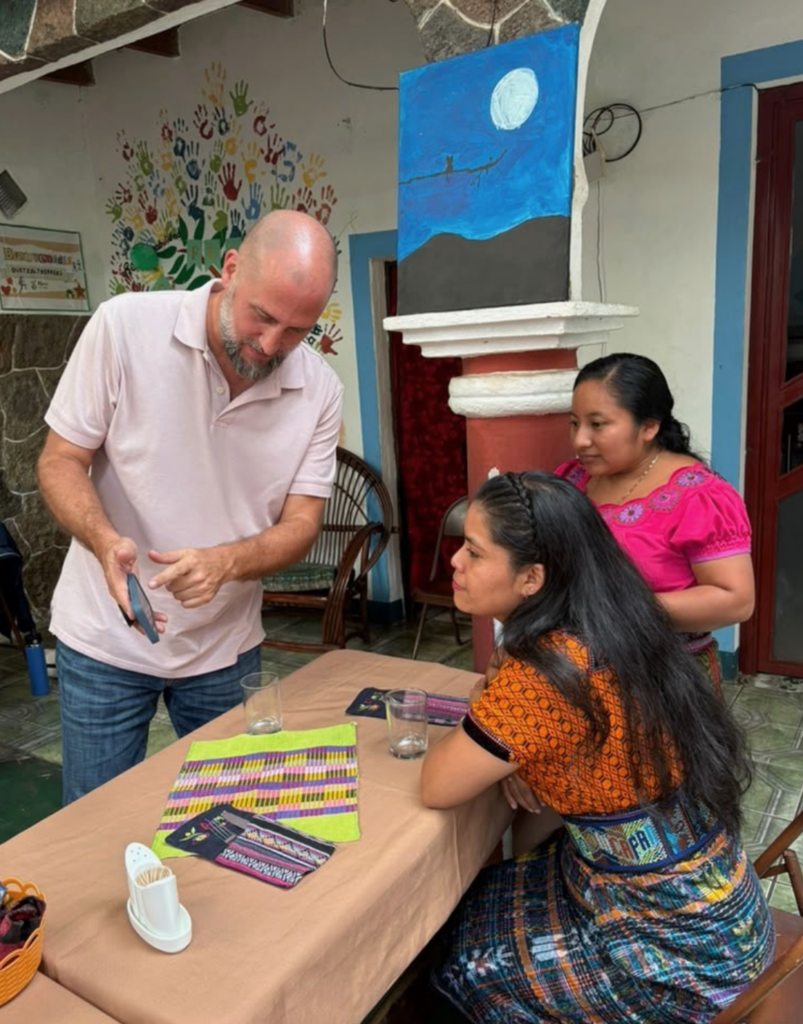
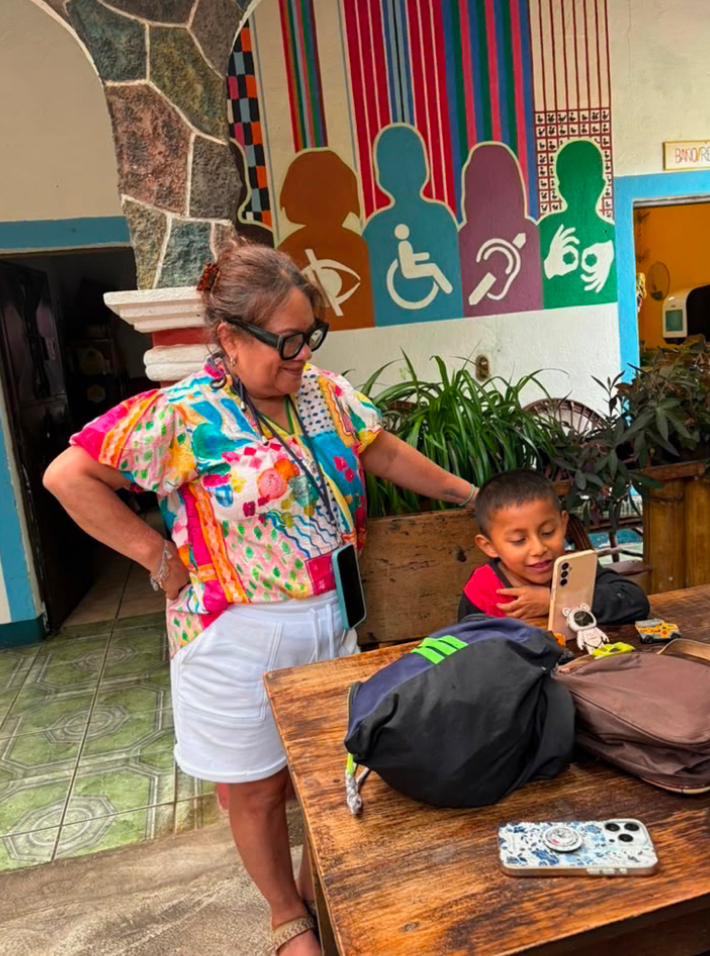
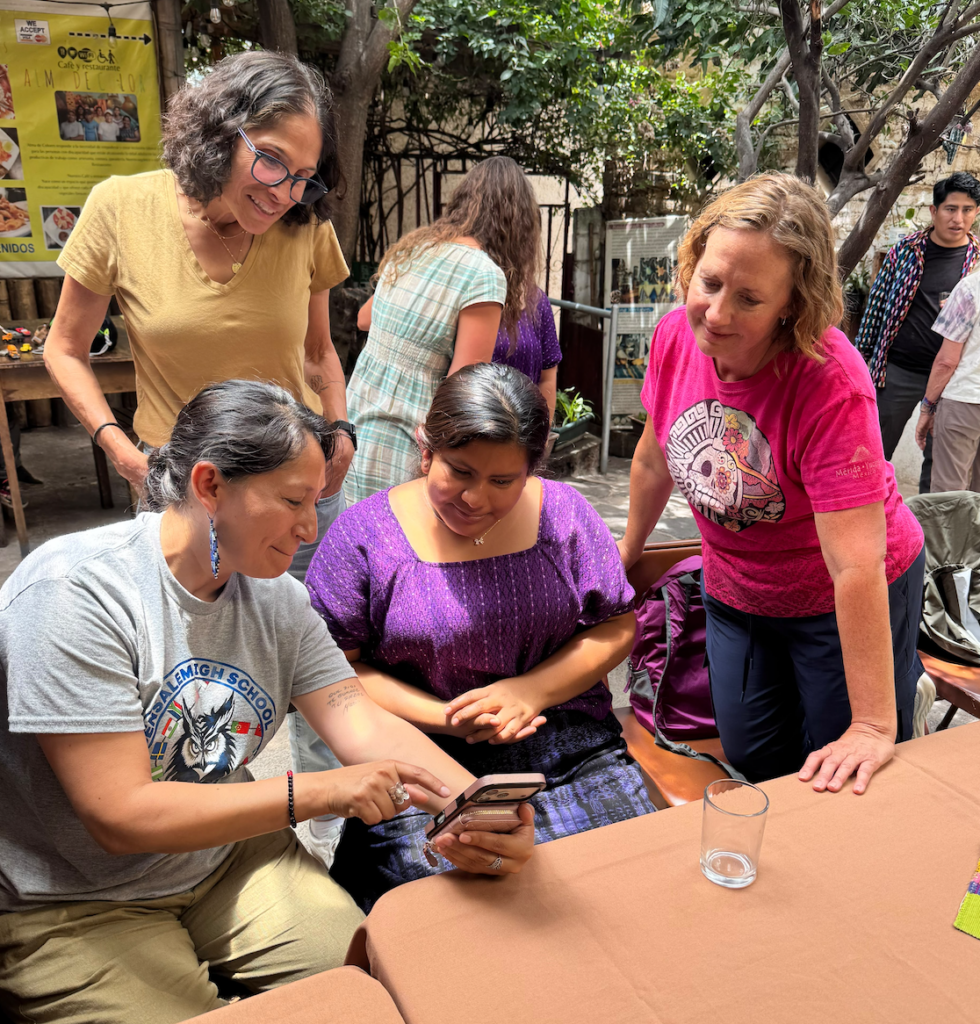
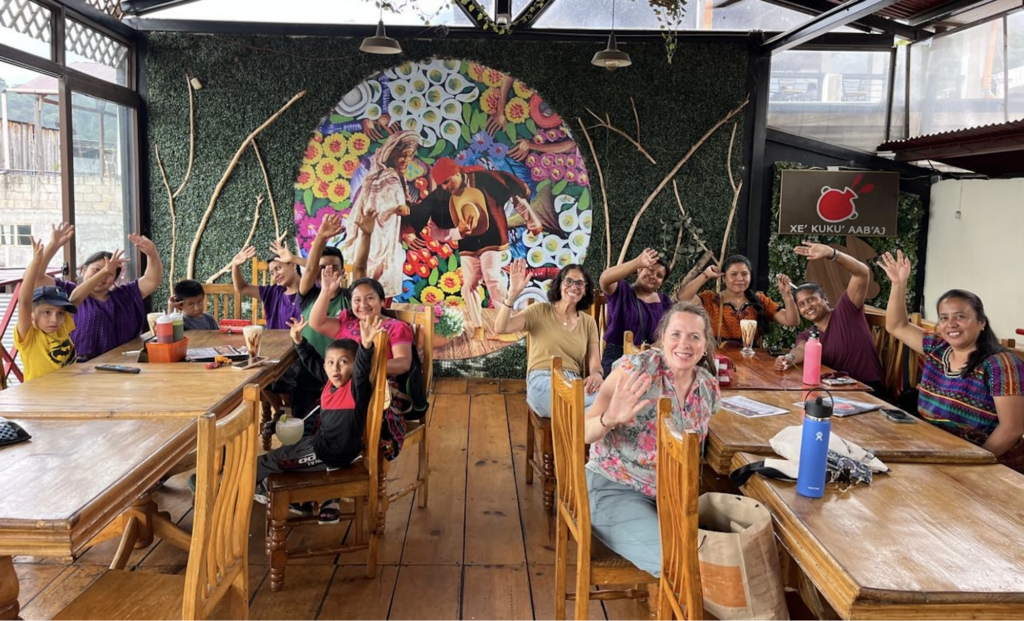
After lunch, we explored the colorful streets of San Juan la Laguna. Later, we joined the artisans at a local bar to watch La Copa Mundial. Learning lengua de señas earlier in the day made it possible to connect in ways we otherwise could not. While I’m not typically a sports fan, watching the game alongside Marta, Lisbeth, Sonia, Carmen, Miguel, and their children was one of my favorite afternoons of the trip.
In the late afternoon, we returned to Panajachel for more of La Copa Mundial, dinner, and many laughs.
Día Cinco
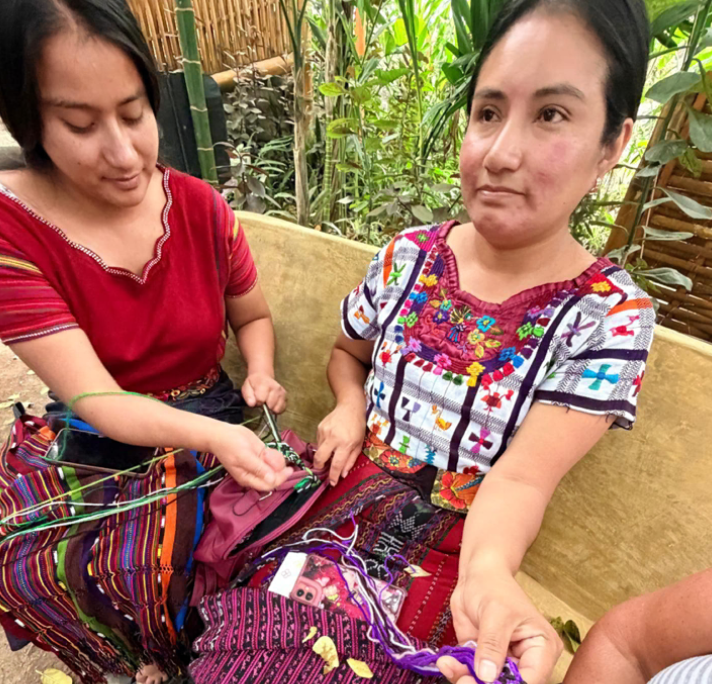
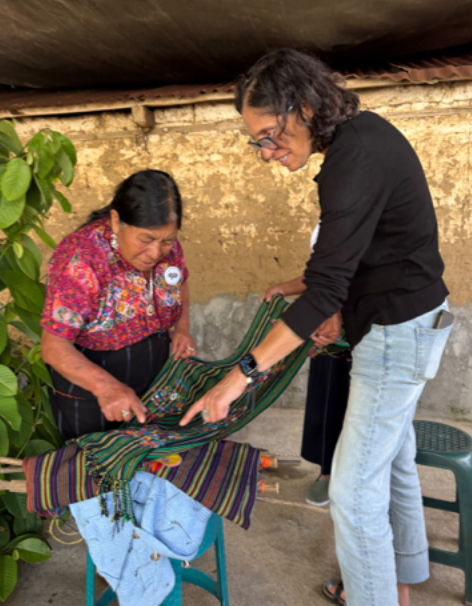
This morning we visited Santiago Atitlán, another beautiful lakeside town, to spend time at Cojolya, a cooperative that supports Maya women through traditional backstrap weaving. We learned about the weaving process and met artisans who continue these traditions while using their work to support families and strengthen community life. Beyond the incredible quality of the weaving, what moved me most was the multigenerational community and the emphasis on women’s rights and women’s issues.
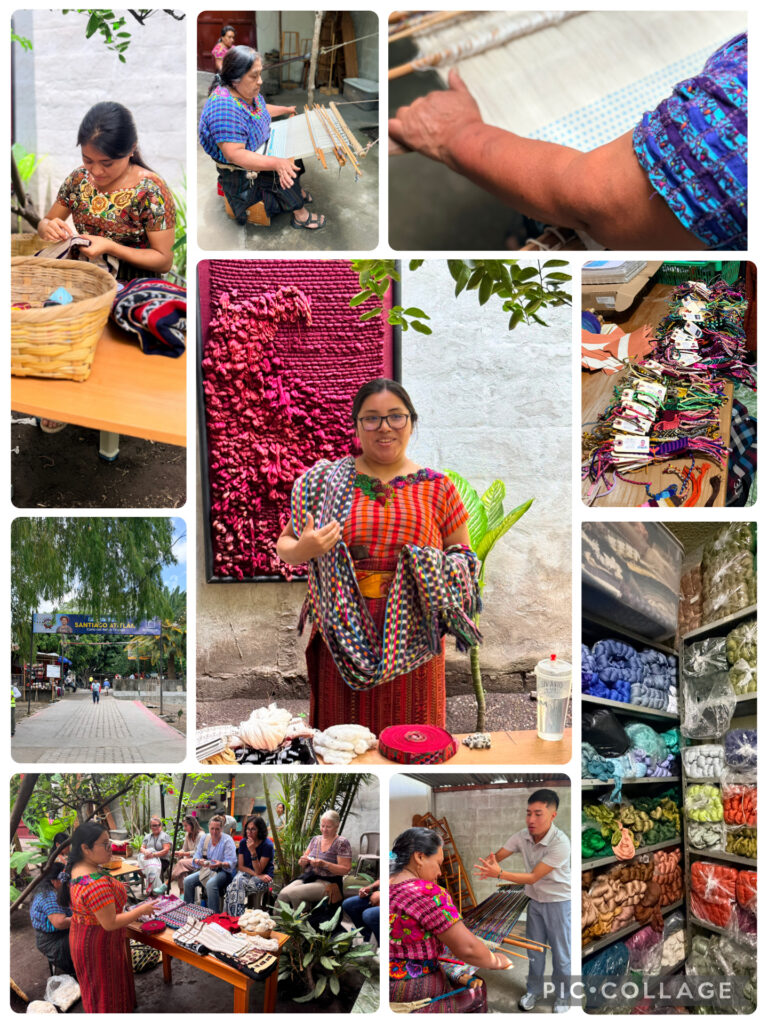
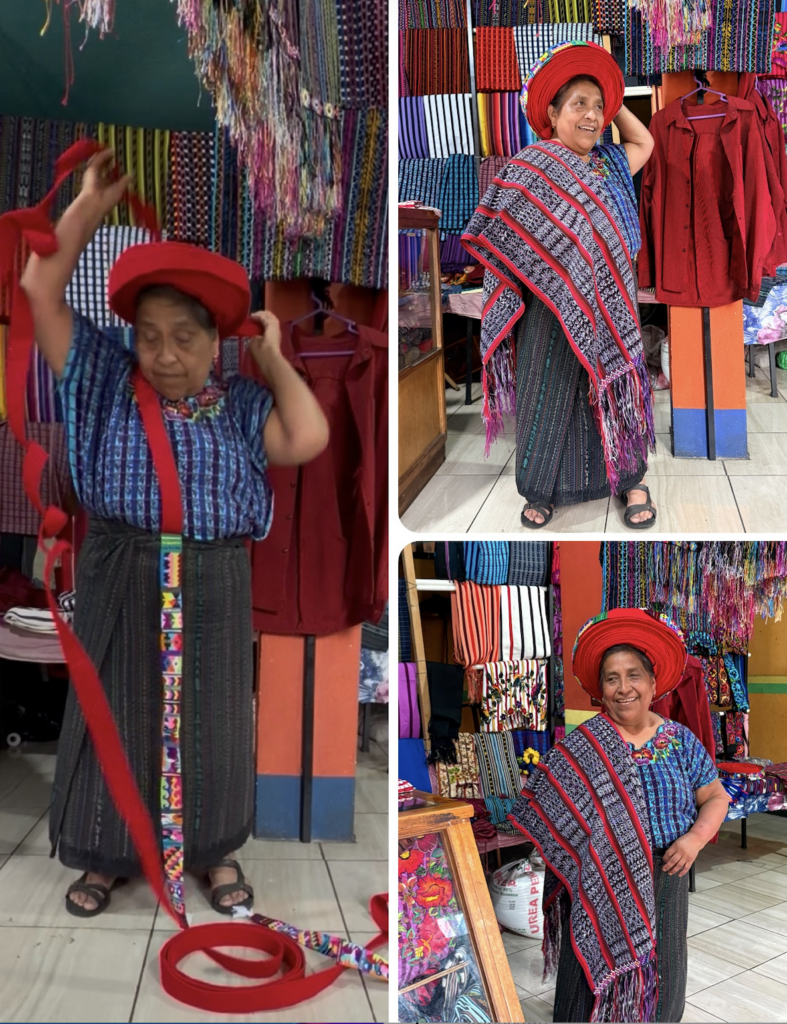
While we waited for the rain to pass, we visited the home and storefront of María, who demonstrated how to put on the tocoyal/cinta, the traditional headdress still worn by many women in the region. When the rain cleared, we split into groups to explore the town—visiting Parque Central de Santiago Atitlán before heading down to the lake. We watched women washing clothes, children swimming, and saw the wooden boats called cayucos used for fishing and bringing goods to the markets. After learning about the organization, watching artisans use backstrap looms, and shopping, we visited a local Sunday market and enjoyed lunch with the artisans. Conversations turned to topics not typically openly discussed there—like menstruation and menopause. It was deeply unifying to share experiences that connect us as women.
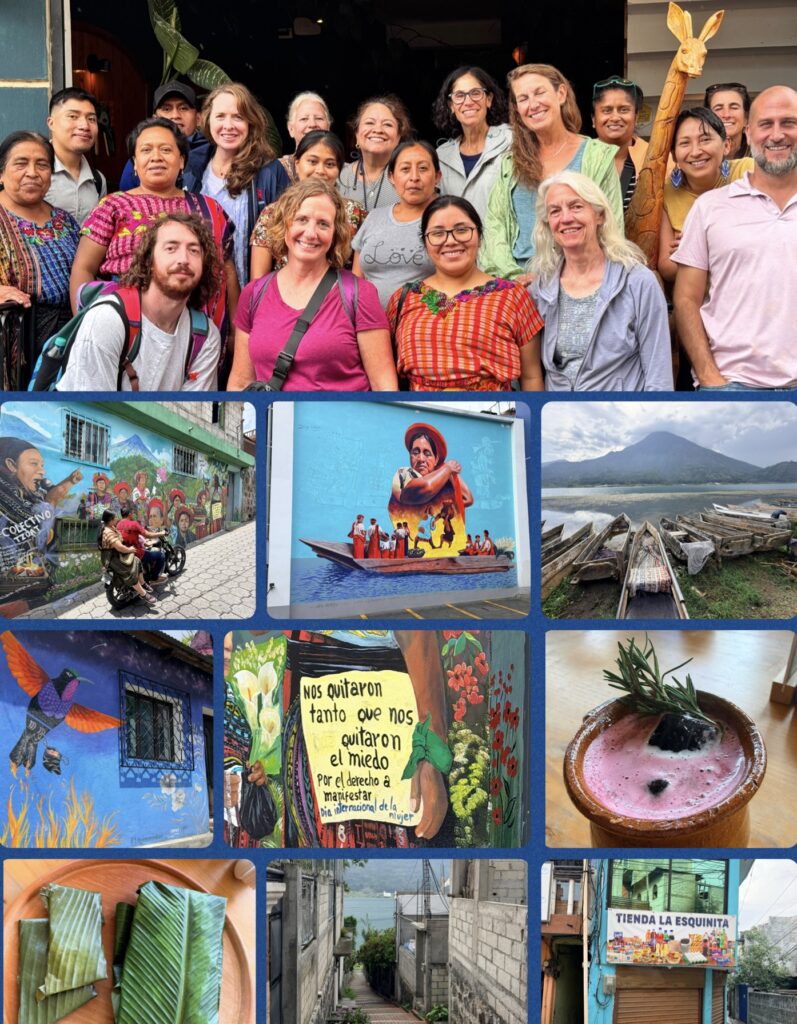
Santiago Atitlán is a beautiful town, and I especially appreciated the murals we saw—both highlighting the strength of women and the importance of environmental care.
Día Seis
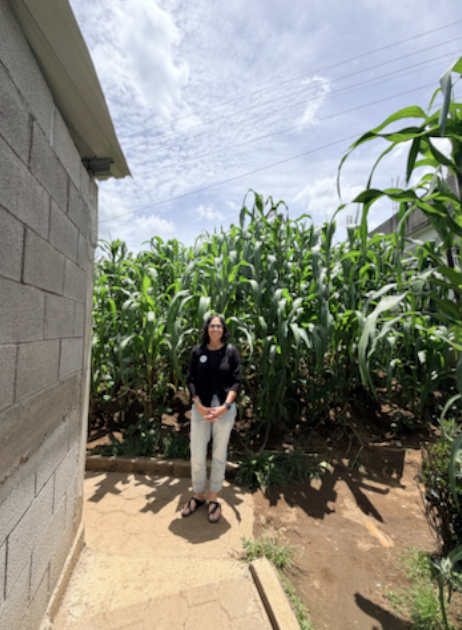
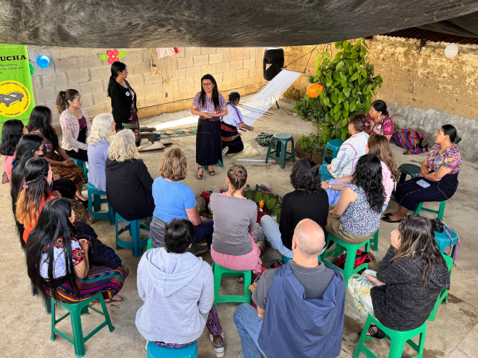
As bittersweet as it was to say goodbye to our home in Panajachel, I was excited for our visit to Asomujerdi in Nahuala in the Sololá highlands. Asomujerdi is a women’s organization focused on raising awareness about women’s rights and supporting economic development within the community. When the bus dropped us off, we walked along a path through a cornfield until it dead-ended at their space. We were welcomed with hugs from its organizer, Ita, and other members of the group
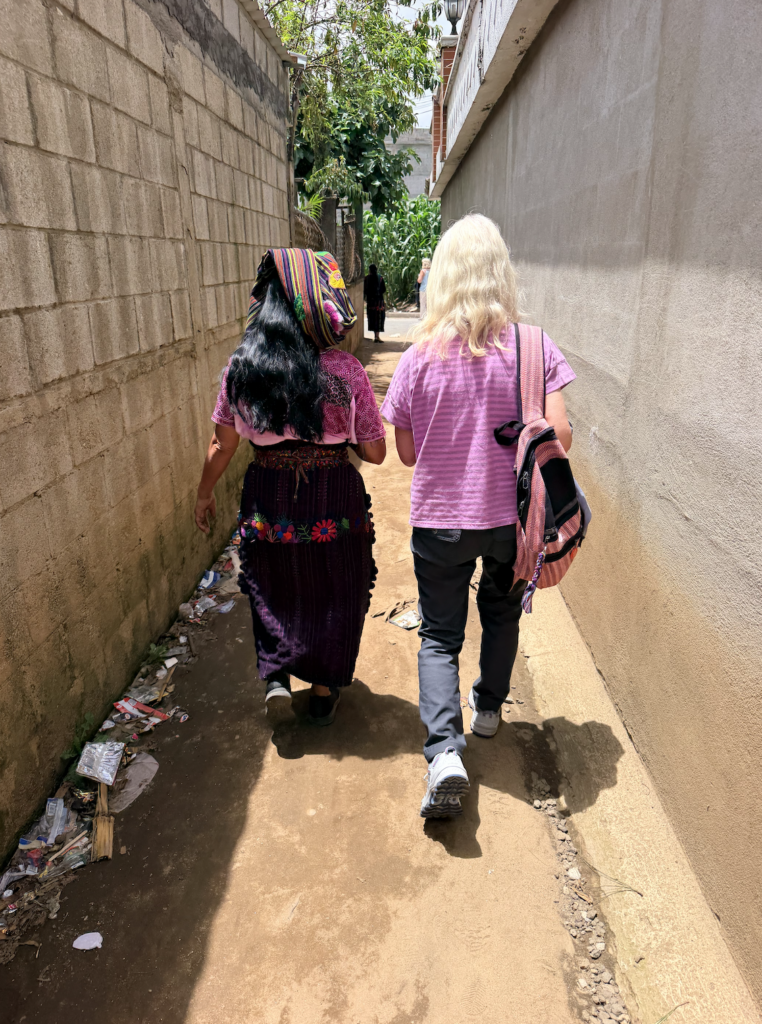
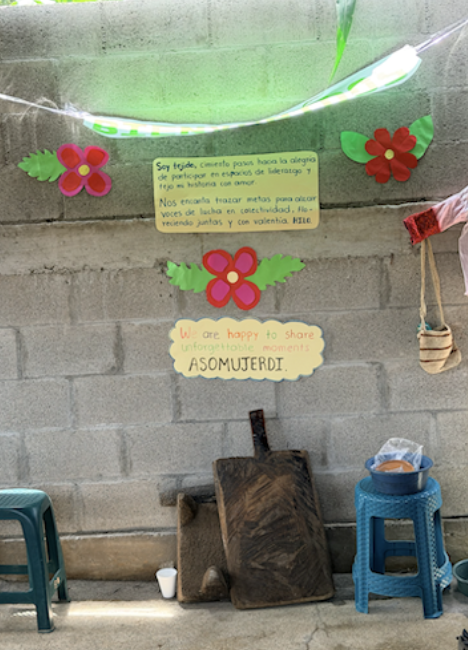
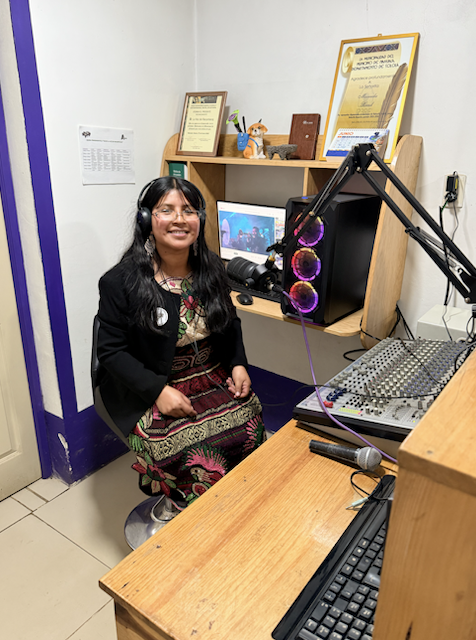
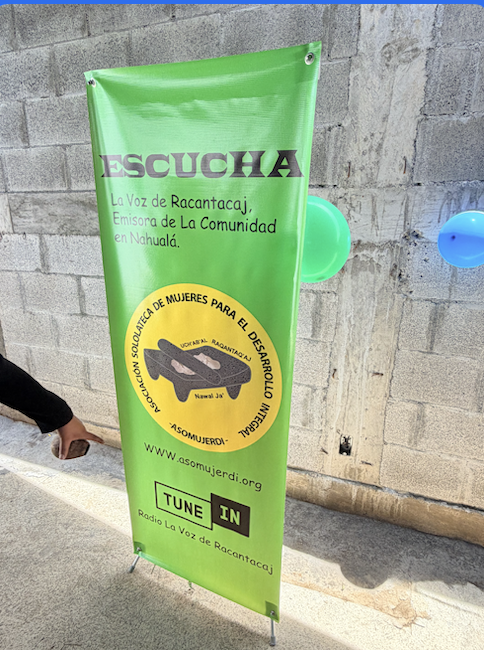
Asomujerdi runs a radio station called “La Voz de Racantacaj,” where they talk about issues such as domestic violence, birth control, and other topics related to women’s development. In many ways, their approach feels radical—and yet they are also deeply committed to maintaining Maya traditions.
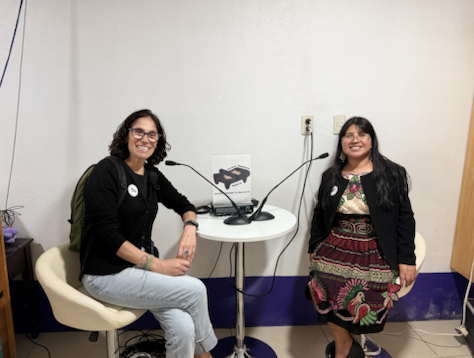
During our visit, we saw demonstrations on how corn gets turned into masa, weaving, and we even had a spontaneous dance party. Young people gather at Asomujerdi to make bracelets that support themselves and their families. After an emotional goodbye at Asomujerdi, we traveled onward to Antigua. I had always wanted to visit this city, and it was a gift to finally experience its natural and cultural beauty.
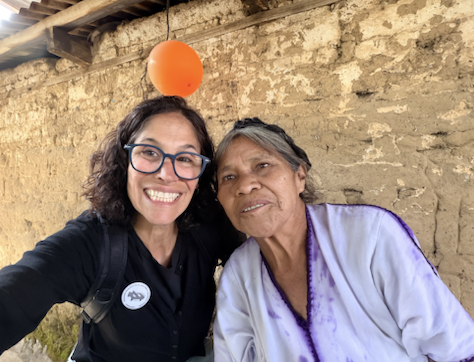
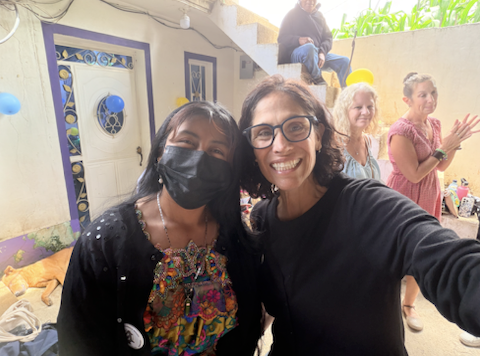
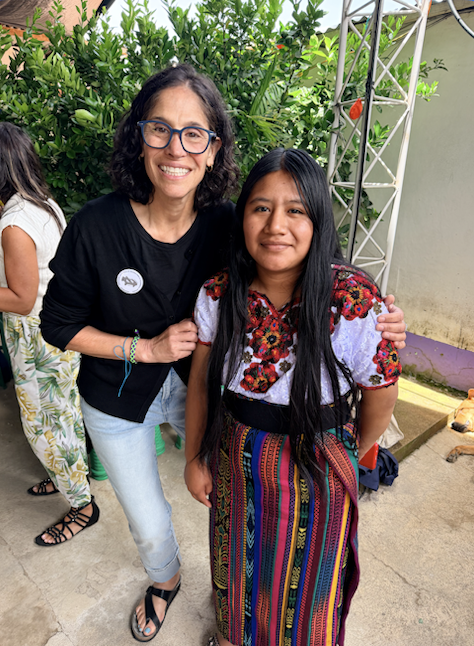
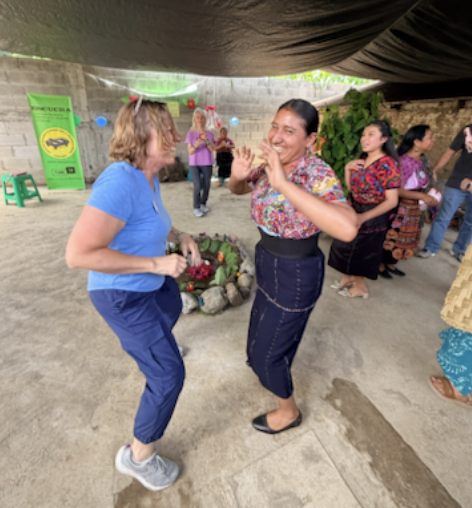
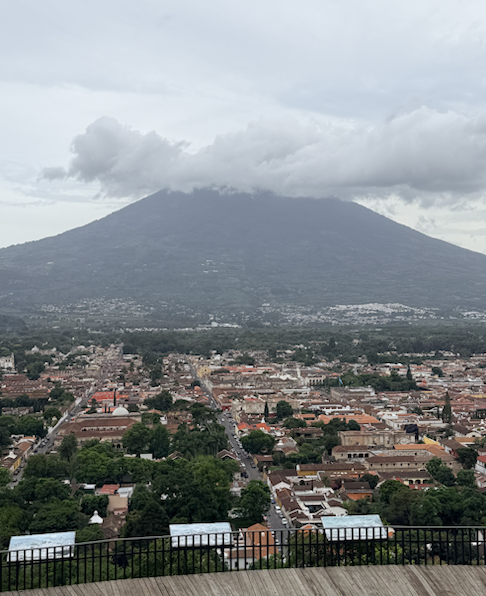
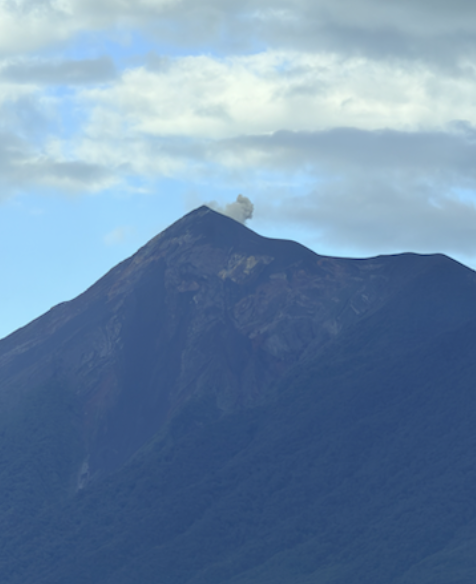
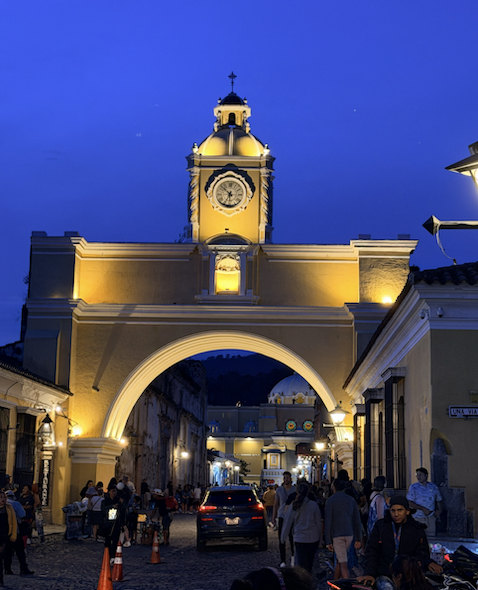
Upon arrival, we visited Cerro de la Cruz for stunning views of the city, plus views of Volcán Agua, Volcán Fuego, and the iconic Arco de Santa Catalina. We walked downhill into the city and settled in our hotel. Later, we wandered the cobblestone streets of this colonial UNESCO World Heritage city.
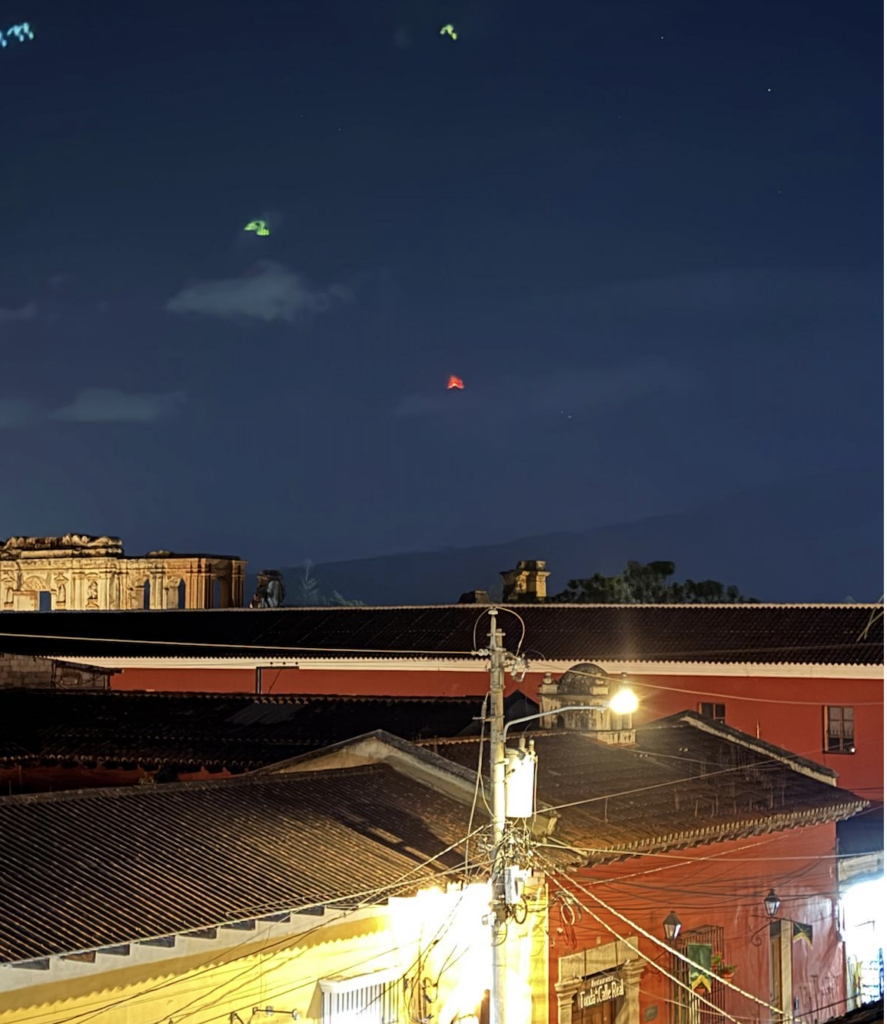
From the roof of our hotel, we could actively see Volcán Fuego, and at night we could even see lava. I was mesmerized by the “puffs” of smoke every 10–15 minutes—and we jokingly created a new Spanish verb: “El Fuego está pufeando.”
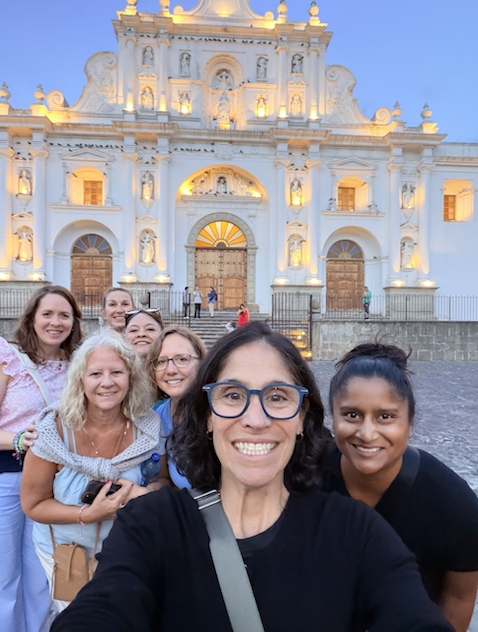
That evening we continued to explore the city of Antigua and watch el Fuego at night which I found truly mesmerizing. From visiting the markets, talking with street vendors, and taking in the architecture, Antigua is a jewel of a city.
Día Siete
This was our final day visiting an organization. Unlike the other stops, our experience at Círcula was focused on restorative leadership rather than artisans or craft-based community work. Because my school also uses restorative practices, it felt especially meaningful to see similar values reflected in Antigua. Wendy and Araceli led us through activities that helped us reflect on the week—what we experienced, what we learned, and what we saw—while also giving us space to consider how we will bring this learning back to our students, friends, and families. I was deeply grateful for the pause from touring—guided reflection was exactly what our minds and hearts needed.
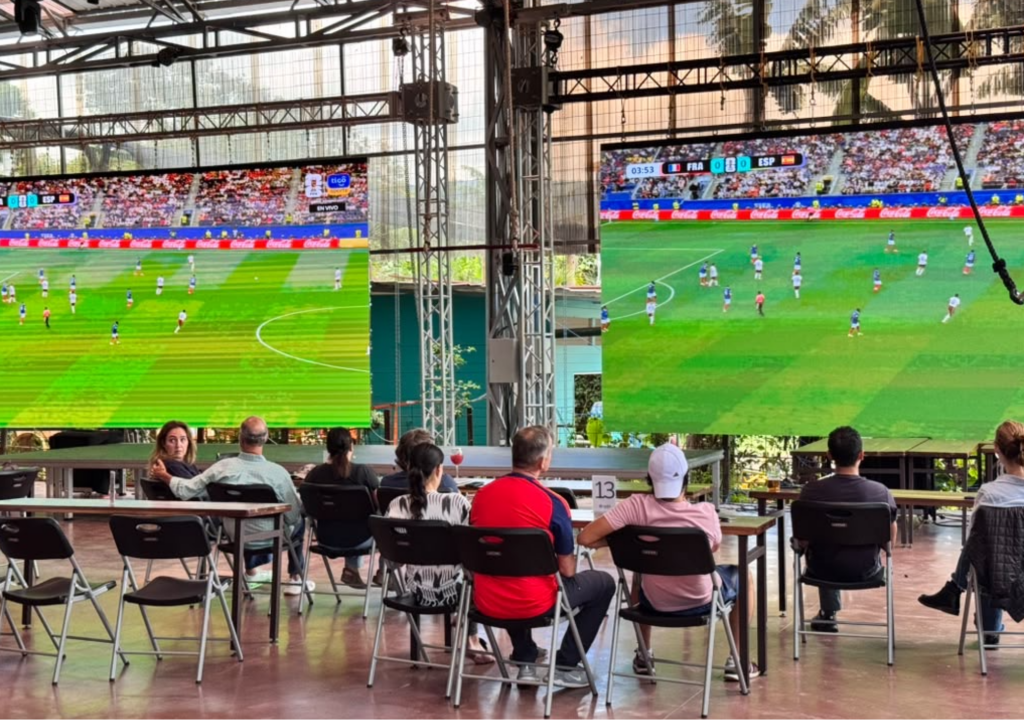
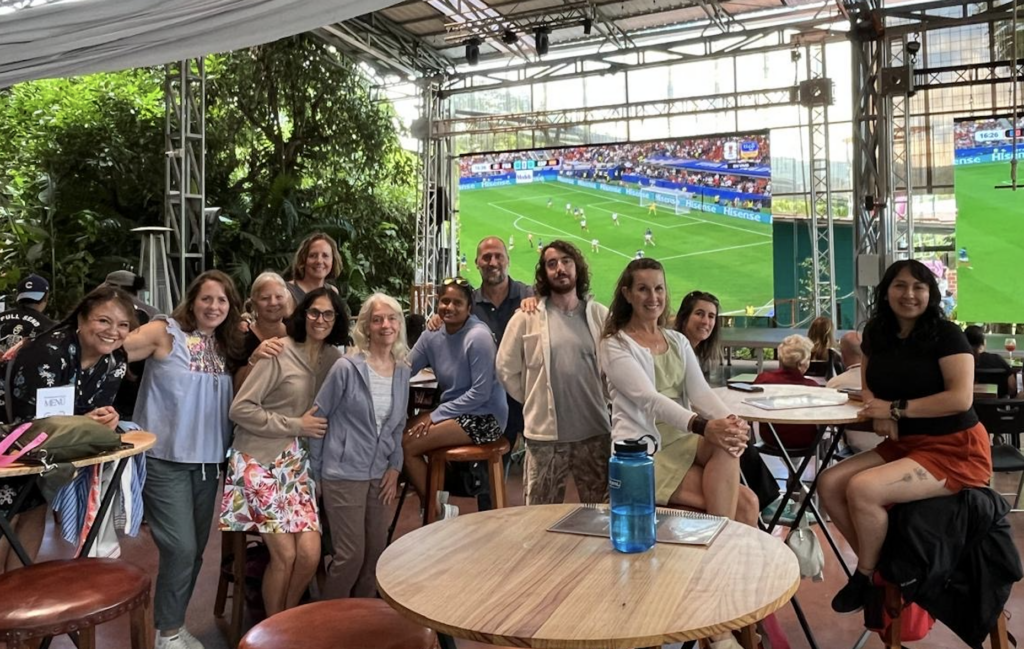
After our session, we enjoyed lunch at Caoba Farms, a delicious farm-to-table restaurant on a 45-acre organic farm. We watched the World Cup on what must have been the largest screens in Antigua.
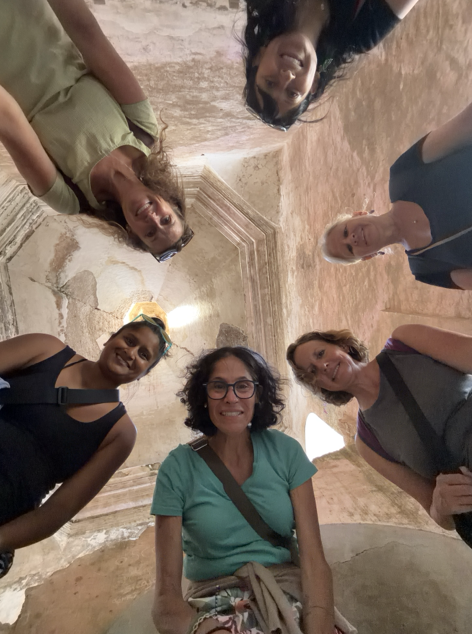
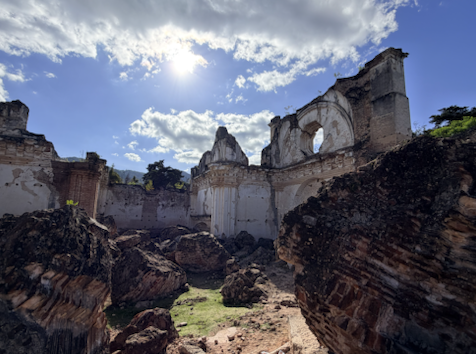
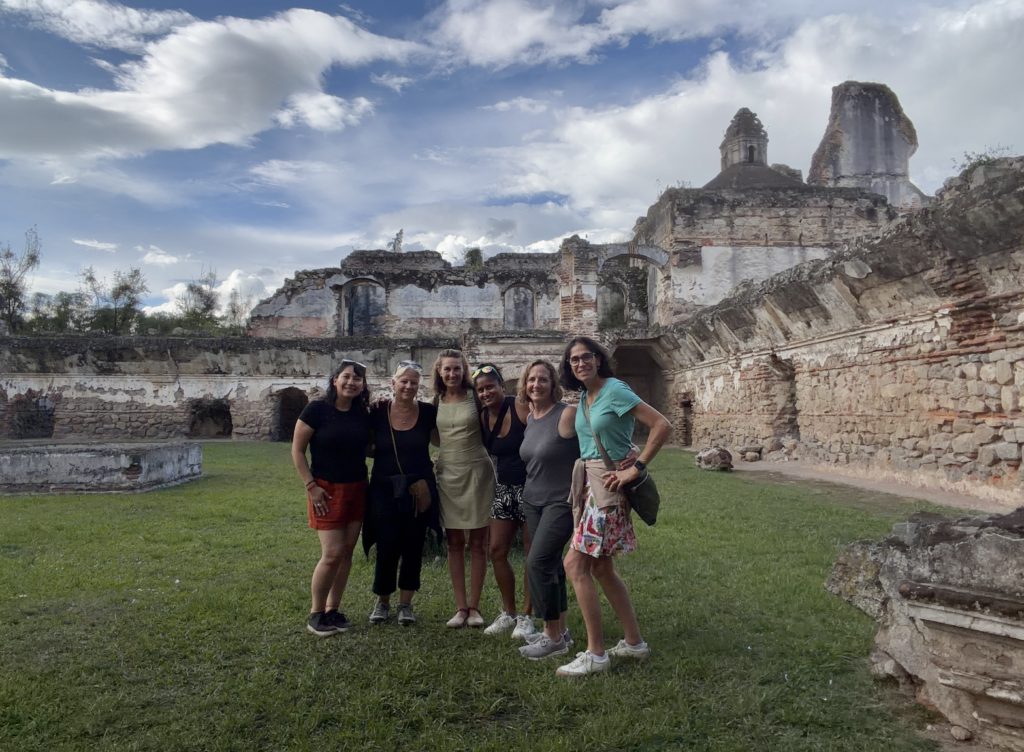
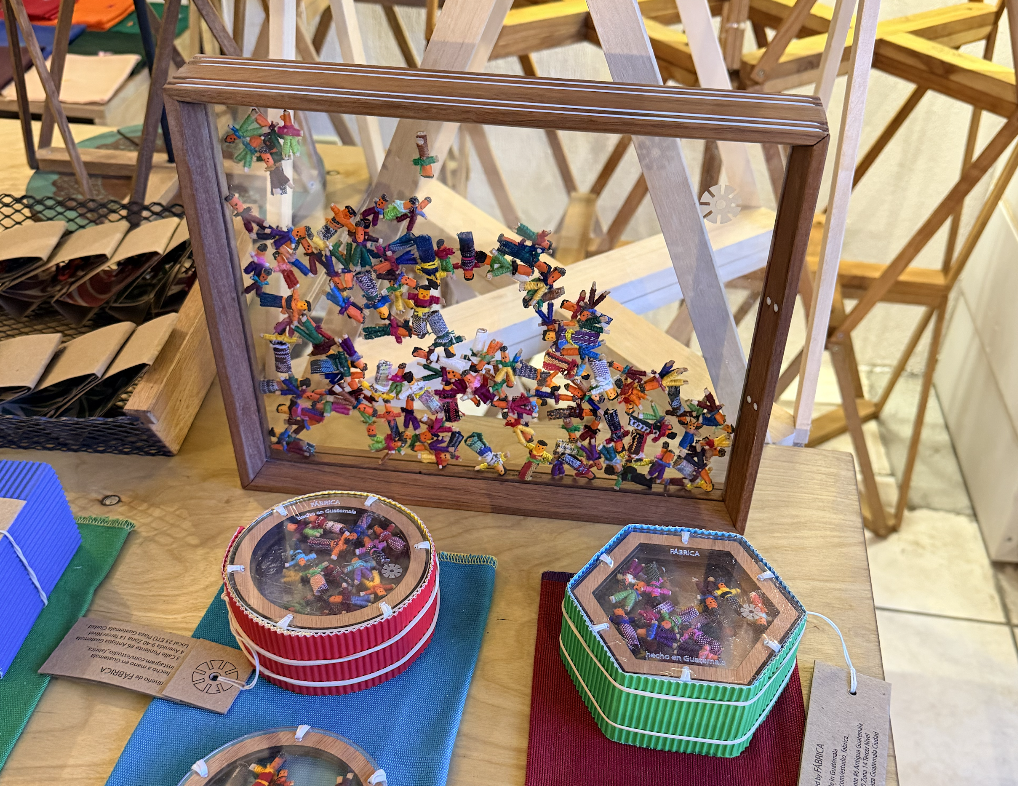
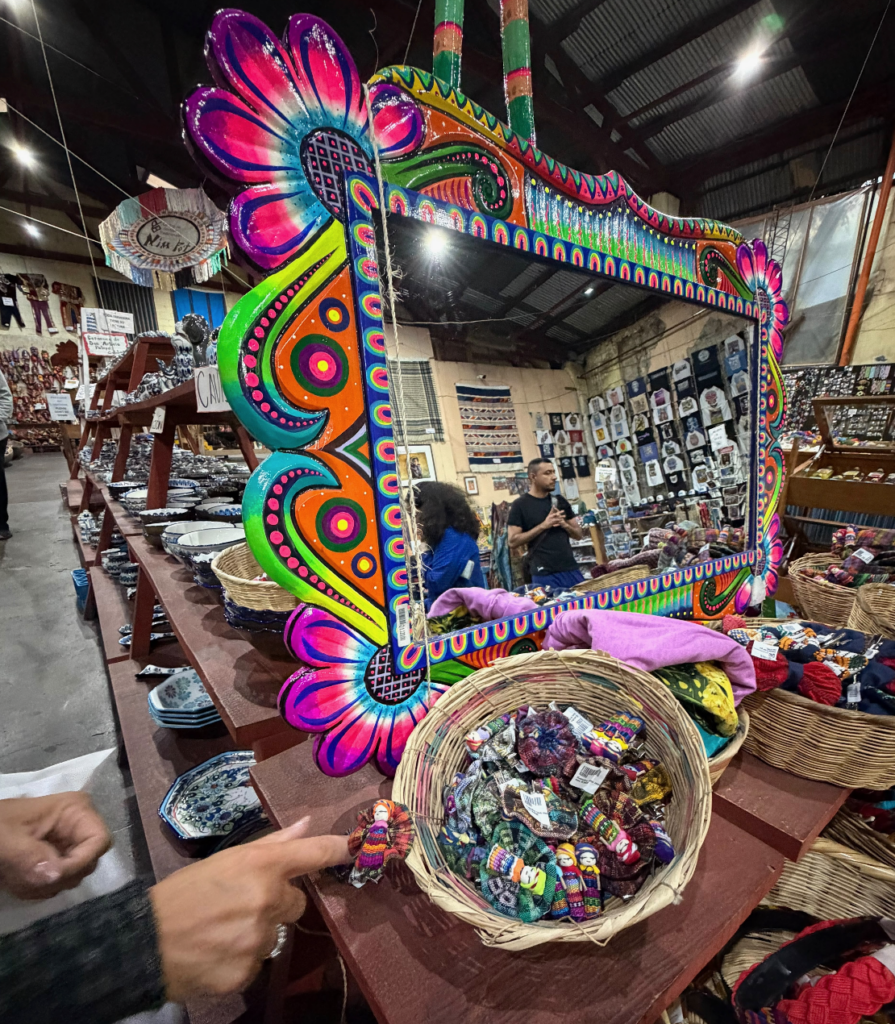
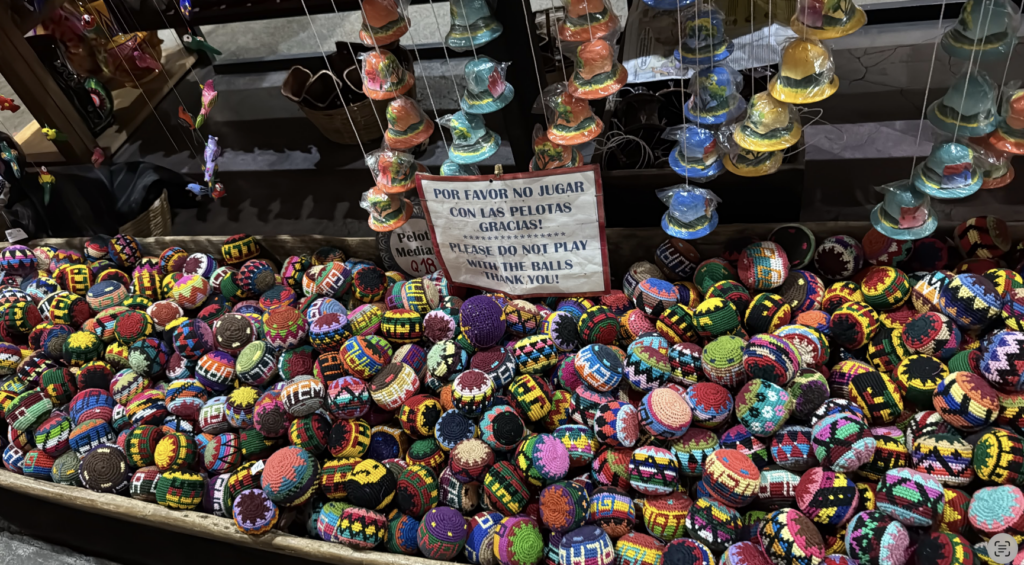
After lunch, we had free time to explore. A group of us visited the ruins of a convent destroyed by an earthquake in the 1700s, and later we visited a market for gifts for friends and family.
Día Ocho
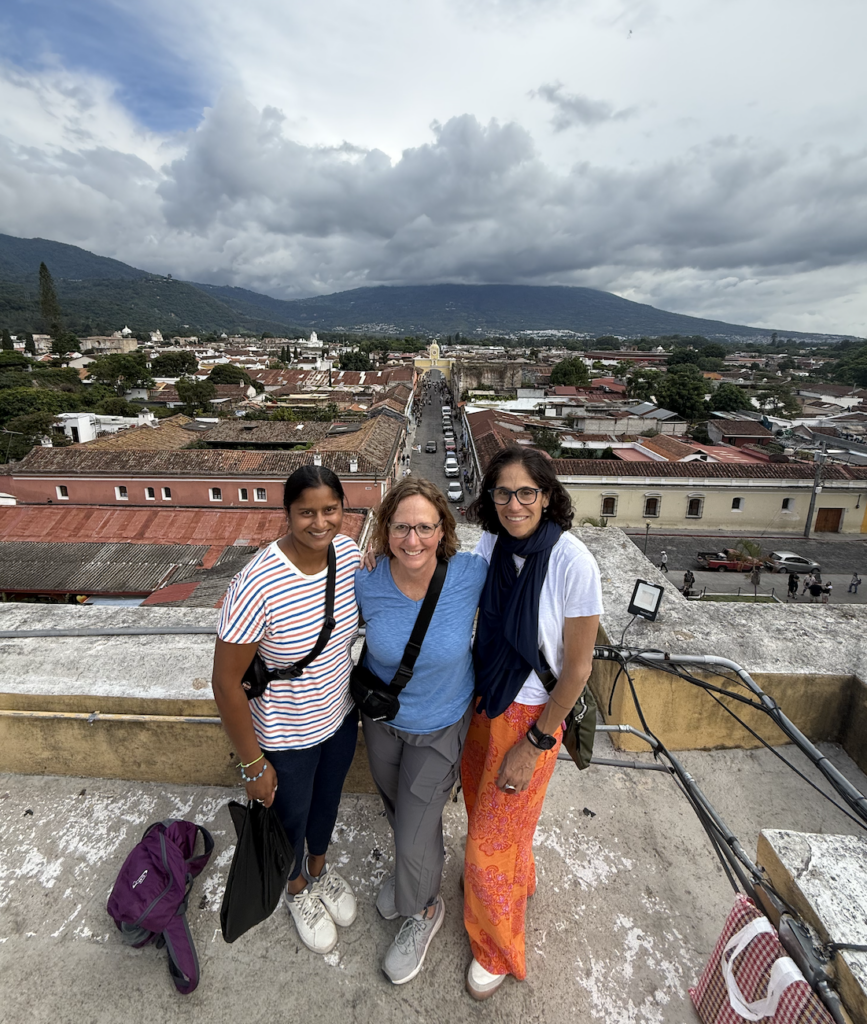
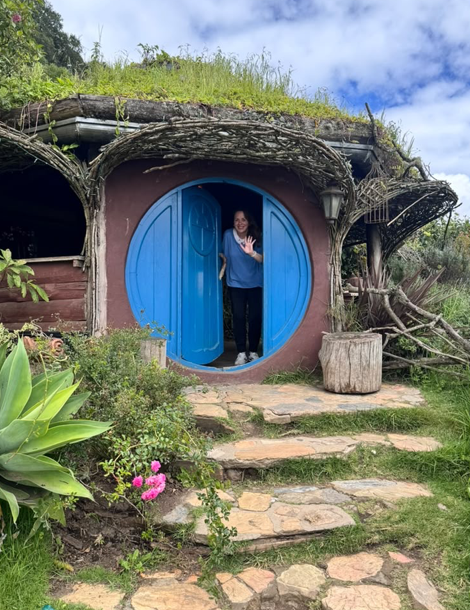
On our final day in Antigua, six of the teachers went to Hobbitenango, a Lord of the Rings-inspired eco-park. The rest stayed together to watch the World Cup in a town park and to visit La Iglesia la Merced for rooftop views of the city—including, of course, Volcán Fuego.
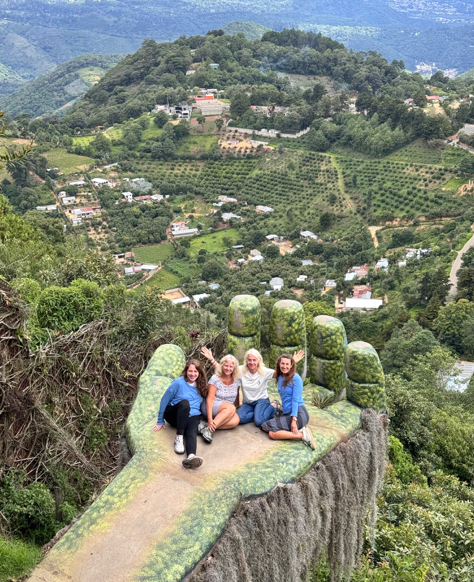
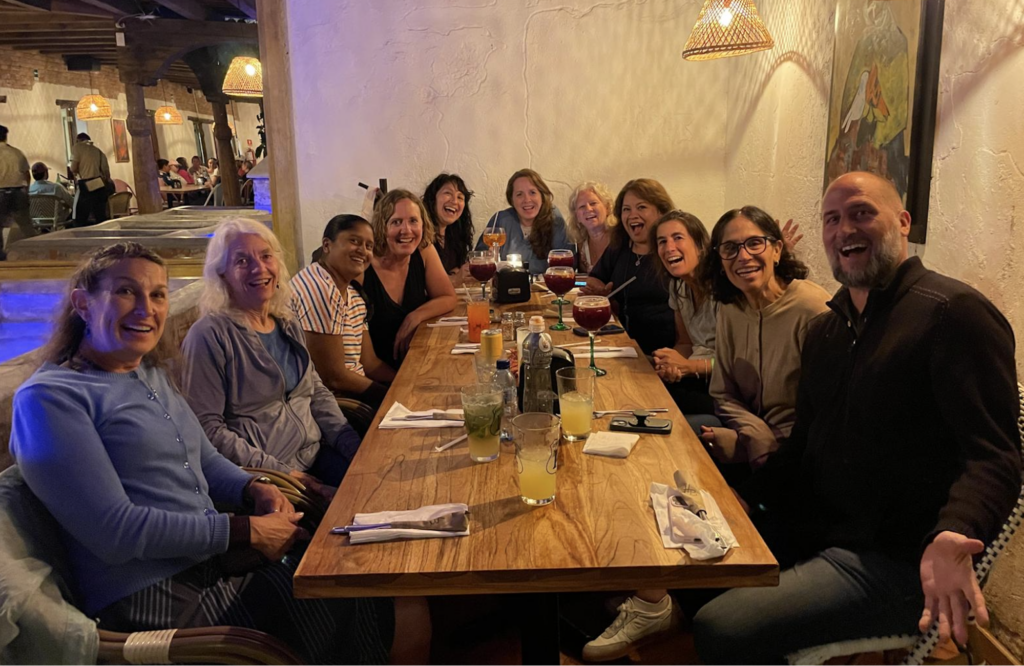
We ended our final night with dinner and time to express gratitude for everything we had seen, learned, and shared—and for the new friends we’d made along the way.
Reflección
This trip offered far more than an opportunity to visit another country. Through visits to schools, museums, community organizations, artisan cooperatives, and historical sites, I gained a deeper understanding of Guatemala’s rich history, culture, economic challenges, and community strengths.
Most importantly, this experience encouraged me to think about how cultural experiences truly enrich education. Meeting artisans and community organizers firsthand—hearing their stories, seeing their work, and learning how their communities function—gave me a perspective that can’t be fully replicated through classroom materials alone.
The trip was beautifully organized. It never felt scripted. We were fed well. The accommodations were stunning. The pace was busy, but never hectic— and every stop felt intentional. Downtime was just enough to breathe.
Evan, Colin, and Sue are incredibly knowledgeable, and their long-term commitment and connections with these organizations made each visit feel like we were meeting friends of friends— who by the end of the visit felt like they were now our friends.
If you’re looking for a meaningful experience with fellow educators, I highly encourage you to consider joining a Pulsera Project Teacher Trip. I look forward to bringing stories, photos, and what I learned back to my students—and to help kick off our first pulsera sale this year.
¡Más fotos!
About Us
AATSP Exams (NSE) offers awards for teachers, like Elisa, who are AATSP members and administer one of our exams. To learn more about this scholarship, along with other teacher scholarships, check out our page HERE.
¡Todos a una! Todos por um!
The 2027 Teacher Travel Scholarship application is now open!
his opportunity awaits educators who are AATSP members and administer the National Spanish Exam. If you’re ready to bring authentic cultural experiences back to your classroom and create lasting connections in Guatemala, we encourage you to apply.
Applications are due January 5, 2027.